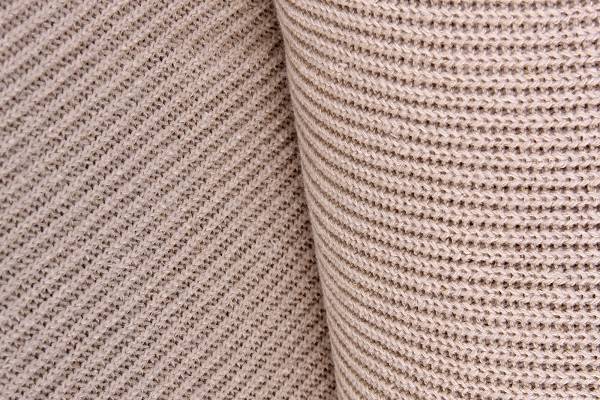
Gently clean with soft brush or a cloth. For tougher stains, use spot cleaning technique with mild soap. Leave to air dry to preserve the fibers properties.


HEMP SNEAKERS 101
12 Benefits of Hemp Shoes: Trendy & Sustainable Footwear For Eco-Responsible Individuals
Uncover the numerous advantages of hemp shoes, from environmental benefits to unmatched comfort. Find out why they’re the ultimate choice for sustainable fashion lovers.

Innovation & Quality
Developing and supplying premium-quality, sustainably grown, consumer products
100% Natural
Organically Grown and Ethically Sourced
hemp and other natural fiber products
Shipping
We offer fast shipping
Your order out within 1-3 days
Wholesale
Visit our wholesale portal to register or login to your account
When selecting perfect footwear, there are many factors to weigh in. Among other things, you need to consider durability, comfort, optimal fit, and style. And perhaps the most important aspects of all – the quality of material used and environmental impact and resource consumption during the production process.
If you are looking for eco-friendly footwear that is both durable and comfortable, opt for hemp shoes. They are growing in popularity due to their remarkable properties and responsibly sourced materials. Made of 100% natural fiber, they are lightweight, breathable, and come in various styles for year-round use.
In this article, we have summarized everything you need to know about hemp shoes in a brief guide. We will talk about the history of hemp, hemp shoe attributes, advantages of hemp footwear, available styles, how to care for them, and sustainability. Hemp shoes, such as Hemptique or 8000Kicks, offered in Hemptique web store, are eco-friendly products that reduce fashion industry ecological footprint. Manufactured completely by biodegradable or recycled materials, they ensure environmental responsibility as well as fashionable design.
Stay Fashionable In Eco-Conscious In Hemp Footwear By Hemptique
Hemptique is a company committed to offering sustainable and eco-friendly products, by supporting ethical and responsible manufacturing processes. Using only premium quality plant fibers, such as hemp, flax linen, and organic cotton, we are revolutionizing the way people live and work. Our merchandise includes footwear made of hemp, plant-based biodegradable apparel, 100% natural arts & craft supplies (cords, ropes, threads, etc.), kitchen textiles, accessories, and much more! Our newest collection includes Hemptique high tops model, as well as high-quality 8000Kicks hemp shoes and accessories (Sun Slide loafers, Seeker sneakers, Explorer V2 waterproof shoes, ankle socks, pouches, etc.). Designed in the EU, these sustainable, breathable, durable, and lightweight shoes also come with reliable waterproofing. For more information about the products, call (760) 602-4864, ext. 403 and 405. For volume pricing, send bulk request or apply for a wholesale account.
The History Of Hemp Shoes: How It All Began
The first industrial hemp shoes were made in China more than two thousand years ago. A pair of hemp shoes and hemp cloth were discovered in a tomb in western China. This evidence shows that the ancient Chinese had already known how to cultivate and weave hemp and use its fiber to make footwear and clothing. Since this age, the evolution began - from basic, prehistoric sandals to ultra-modern sneakers and waterproof shoes. In the beginning, industrial hemp was mainly used for clothing and rope. It was not until the early 19th century when its use for footwear manufacturing increased.
What Is Industrial Hemp?
Industrial hemp is long-lasting, strong, and cellulose-rich plant. This variant of the Cannabis plant originates from China, where it was one of the earliest domesticated crops several thousand years ago. Sustainable and eco-friendly, it does not require any pesticides to grow. It also replenishes the quality of the soil it grows on and preserves the ecosystem.
Hemp fiber is durable, strong, and resistant to many exterior factors, such as UV light, mold, mildew, abrasion, and so on. Hemp seed is highly nutritional, containing a lot of protein, fat and fiber. This is a highly versatile plant that can be used to create various products with multiple applications. Over the years, industrial hemp has been exploited to make textiles, footwear, food, medicine, biofuel, paper, auto parts, construction material, and so on.
Hemp Vs. Cannabis: What Is The Difference?
As we already mentioned, hemp and marijuana belong to the same species of cannabis plant. The main difference between them is in the amount of tetrahydrocannabinol – THC (a compound with psychoactive effects). THC is the main reason industrial hemp was wrongfully banned in the 1930s in the US.
Industrial hemp does not have the capacity to produce psychoactive effects, since it contains less than 0.3% of THC by dry weight. Marijuana, on the other hand, has enough THC (around 25%) to be used medicinally or recreationally as a psychotropic drug.
12 Benefits Of Hemp Shoes
Wearing hemp shoes offers a number of amazing benefits. Firstly, their manufacturing process is not as damaging to the natural environment, since they use less resources (water, energy) during the production process. Apart from being a chemical-free natural material, hemp has an abundance of other benefits which are mentioned below.
1. Durability
Hemp is a remarkably durable and strong plant fiber. You can rest in confidence knowing these shoes are built to last. In fact, you will most likely have them longer than other shoes in your cabinet. With proper care, they can last for years.
2. Increased comfort
Another incredible characteristic of hemp shoes is their remarkable comfort. In fact, the more you wear them the more they shape to your feet, making them exceptionally comfortable. They will probably be the most comfortable shoes you have ever worn. Optionally, you can add CBD-infused insoles. They are a fantastic solution for those experiencing feet pain or discomfort.
3. Thermoregulation
Wearing sandals in extremely hot temperatures can lead to injuries, but other more supportive shoes like sneakers are often too hot to be worn in such weather. They can cause swelling, blisters, and increased sweating. It’s similar during winter. It’s not easy to find shoes that will feel just right both inside where it’s warm and outside where it’s cold.
4. Waterproof
When soaked by rainwater, many traditional materials will stay damp for days and may even get ruined if you are not careful enough. However, hemp fiber naturally repels water. Hemp shoes - 8000Kicks in particular - are the world’s first and best waterproof shoes, perfect for both rainy and sunny days. Even if your shoes get wet, your feet will stay dry and comfortable.
5. UV light resistance
Since hemp fiber is resistant to UV lights, your sneakers’ color won't fade as quick. This means that you can safely wear them even to the beach, knowing they will keep the color for a long time. In the long run, this is how you will save money, as you will not have to buy new sneakers as often.
6. Vegan-friendly
For a long time, leather has been one of the primary materials used for making footwear, but the number of people who choose not to use animal byproducts is increasing every day. Hemp merchandise is ideal for vegans because they are manufactured ethically without causing harm to living creatures. You can feel good knowing your sneakers are ethically made without any animal byproducts.
7. Anti-Odor
Sweaty feet typically cause bacteria growth and unpleasant odors. And once your shoes stink, it’s hard to get rid of the odor – especially if they are made of non-washable materials like leather, suede, or vinyl. Hemp, on the other hand, do not hold onto odors due to its anti-microbial properties. When you have your hemp trainers on, you will never have to worry about unpleasant feet odor.
8. Hypoallergenic & antibacterial
These properties are especially important for individuals who suffer from allergies. Since hemp is naturally hypoallergenic and gentle on the skin, it reduces the risk of allergic reactions, skin irritation, or fungal infection. Antibacterial properties help keep your feet fresh and odorless.

9. Breathable and moisture-wicking
Hemp fiber is breathable by nature. It allows air to circulate evenly around your feet, which keeps your feet cool. For this reason, your feet will stay dry and refreshed even in hot summer days or during high-intensity workouts.
10. Safe for animals
Industrial hemp is a cruelty-free material and perfectly safe for pets. In fact, hemp ropes and cords are often used to make accessories for games to play with your pet. Furthermore, hemp shoes are made with love for animals and all living beings.
11. Versatile
Hemp shoes are offered in various styles, designs and colors, which enables you to wear them in different settings while expressing your personal style. Today, you can find hemp shoes for any occasion, as they are minimalist and stylish, suitable for both indoor and outdoor wear. For instance, Hemptique Hemp Atticus shoes are great for urban wear, long walks, or casual wear. Choose loafers for picnics, hiking, or playtime with the kids.
12. Environmental benefits
When you wear hemp shoes, you are making a conscious choice to support and promote a greener and healthier planet. There are numerous environmental advantages to choosing industrial hemp merchandise. They include:
- Low environmental impact - Grown without toxic chemicals and pesticides, it reduces pollution and negative impact on ecosystems.
- Sustainability – Unlike other textile crops (cotton), hemp grows fast and requires minimal water and land resources and no pesticides or herbicides. This makes it a more environmentally conscious and responsible choice.
- Biodegradable and recyclable - At the end of their life cycle, hemp naturally decomposes, without leaving waste. Unlike many other types of shoes, hemp shoes can be almost completely composted or recycled, reducing negative impact on our planet.
Why Wearing Hemp Shoes Is Good For Your Health
Today, there is a variety of shoes made of synthetic and waterproof materials. These shoes may be very durable; however, they have a downside – they cause increased sweating, unpleasant odor, and carry a risk of fungal infection. Did you know that when you choose barefoot shoes made of hemp fiber, you support and improve your whole body’s health, and not only the health of your feet. And this is how:
- Sole muscles and foot ligaments are activated, strengthened, and returned to their natural position. in the foot.
- Deep abdominal and pelvic floor muscles are activated
- Blisters and hammer toes are least likely to occur
- Ankles, knees and hips health is improved
How It’s Made – Non-Toxic, Sustainable Materials Of High Quality
The process of manufacturing hemp sneakers starts with harvesting hemp fibers, which are later woven into fabric and sewn together to create the shoe uppers that lighten the weight of the shoes. When the shoe is lighter, but still supportive, the load of your body is evenly distributed when walking, and they fit perfectly on your feet. The final step is applying the soles, which are typically made from recycled rubber, Bloom algae, or recycled plastic.
More and more hemp manufacturers are committing to green business practices. The factories are regularly inspected, and workers are provided with education and health care benefits. Moreover, the production lines are usually at least partially powered by renewable energy.
A Variety Of Styles
There is so much more to hemp shoes than strength and eco-friendliness. They are offered in a variety of styles, colors, and designs to suit any wardrobe and cater to different tastes. This makes them fashionable, stylish, and suitable for various occasions. Here's a glance of some of the styles currently available.
Sneakers
They are certainly the most popular style of shoes. Comfortable, breathable, and supportive, they are ideal for everyday wear, like running errands or going for a walk in the park. An example of a casual shoe is The Seeker. Their outsoles are made from recycled and natural rubber.
Waterproof shoes
8000Kicks manufactures Explorer V2 - 100% waterproof shoes that are stylish for both formal and informal settings. Vegan, durable, and recyclable, they are the world's first and world’s best waterproof hemp shoes. They are offered in several natural colors, from full black and black and white to dark green and beige and green. The outsoles are made from Bloom materials (Bloom algae), which reduce the carbon footprint and help clean up the waterways.
Slip-on (Loafers)
This style is ideal for the summer and the beach. They are comfortable and can easily be put on and off, perfect for busy individuals who value ease and convenience. An example of such loafers is SunSlide hemp slip-on. They are great for casual occasions like long walking, outdoor adventures, and traveling.

High-top shoes
This trendy design is a modern twist to traditional sneakers. They can be worn in casual, business casual, smart casual, and any laid back setting. High-top Hemp Atticus shoes by Hemptique have premium upper tops and natural rubber soles that are suitable even for the most demanding terrains.
How To Find A Perfect Pair Of Hemp Shoes
To ensure you find the perfect shoe for your needs, make sure they meet certain criteria:
- Ensure they are actually made from hemp and the main material is hemp
- Try on a pair to make sure they fit correctly and they are comfortable enough for walking
- Check the soles to make sure they are appropriate for walking (rubber soles are traditionally the best)
- Finally, check company information and reviews about the product
Hemp Shoes Care Instructions
Follow these guidelines to maintain your shoes in top condition - fresh, functional, and stylish for years to come.
- Cleaning - Clean the dirt or debris regularly using a soft brush or cloth. For tougher stains, spot cleaning is recommended. Use a damp cloth and a mild soap, and stay clear of harsh chemicals, as they can weaken or damage the fibers.
- Air-drying - Let shoes air-dry in a well-ventilated area, away from direct sunlight. Direct heat sources like hair dryers or radiators can deform or shrink the fiber.
- Storage - Store in a cool, dark, and dry place. It will prevent damage and prolong life cycle of the shoes.
- Water exposure - Unless your shoes are labelled ‘waterproof’, avoid excessive water exposure. While hemp fiber is naturally highly absorbent, getting them soaked can weaken the fiber. In case your shoes do get some moisture on, simply leave them to air dry.
- Deodorizing - Although hemp is naturally odor-resistant, you can freshen your shoes up from time to time. Sprinkle the insides with baking soda, let sit overnight and simply shake it out the next day.
Embrace The Advantages of Hemp Footgear – A fantastic Alternative To Standard Shoes
There are so many good reasons to wear hemp shoes - from comfort and durability to sustainability and low carbon footprint. Cruelty-free, eco-friendly, and stylish hemp shoes make a positive impact not only on your feet, but also on the planet. Join thousands of hemp shoe owners around the world and experience the benefits for yourself!
Related Readings to Hemp Sneakers
1. How do I clean hemp shoes?
2. How to wash hemp shoes?
If you are unable to spot clean tough stains, you can hand wash your hemp shoes. Use warm water and a small amount of mild detergent to gently hand wash using a sponge or a soft brush. Leave to air dry in a cool and dark place with good air circulation.
3. Are hemp shoes waterproof?
While hemp fiber is exceptionally absorbent by itself, it is not waterproof. Special agents have to be added to the textile in order to make it waterproof. For more information on wax coating, visit waterproof winter shoes by 8000Kicks.