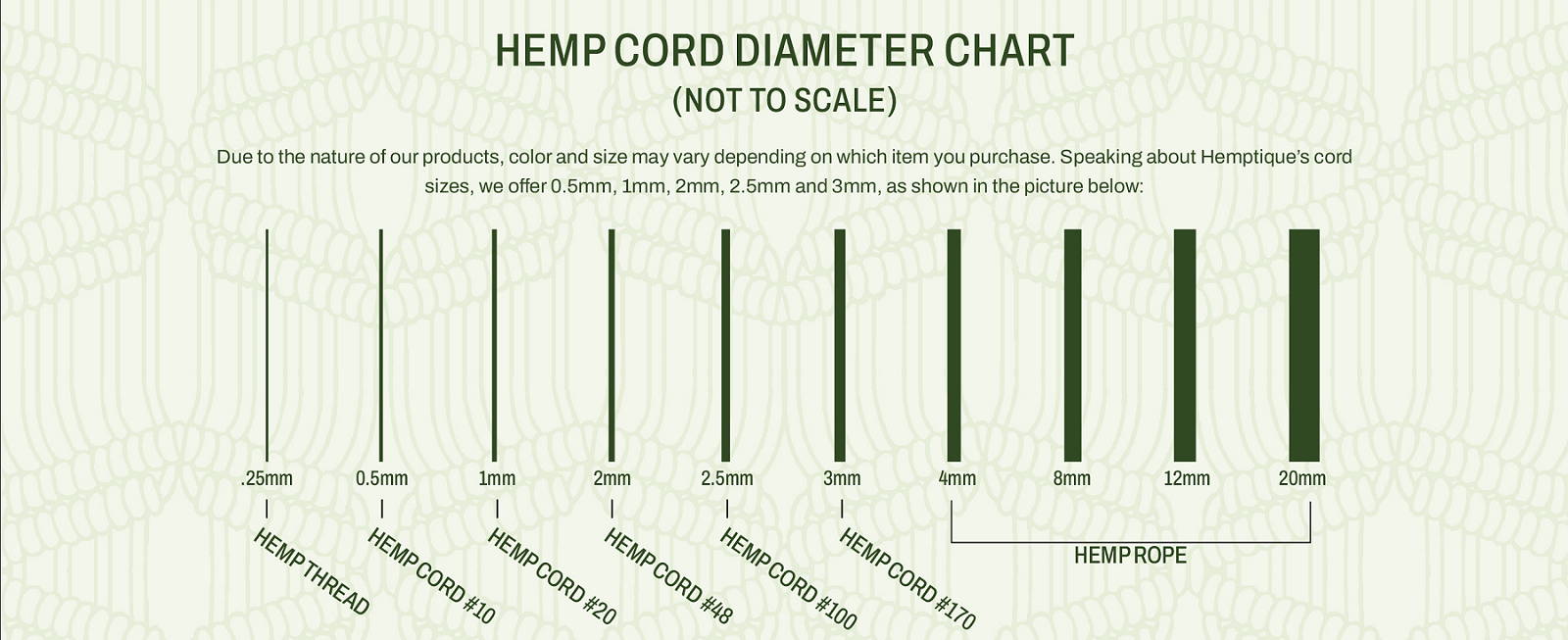
The price depends if you are buying cords on a spool, cart or set. Also, you need to consider the thickness and color. Hemptique cords are offered as #10 (thickness of 0.5 mm approx.), #20 (thickness of 1 mm approx.) and #48 spool (thickness of 1.8 mm approx.). Price for #10 starts at $5.99, for #20 at $6.49, and for #48 spool at $8.99. Please visit this link for more cord options and to check current prices.


HEMP CORD 101:
What is Hemp Cord and Why Should I Use it?
Read about the benefits of using hemp, plus we share a cord diameter chart & DIY tutorials for beginner jewelry makers
Hemp Cord
What is it, How to Use,
and Where to Buy?
Innovation & Quality
Developing and supplying premium-quality, sustainably grown, consumer products
100% Natural
Organically Grown and Ethically Sourced
hemp and other natural fiber products
Shipping
We offer fast shipping
Your order out within 1-3 days
Wholesale
Visit our wholesale portal to register or login to your account
This article is here to inspire you to use hemp cords more often in DIY craft, jewelry and macrame projects! We are happy to guide you in discovering everything about hemp cords, including history, uses, features and where to buy the best hemp cords online.
Hemp cords have been used for many products for thousands of years, and many other hemp-based cordages are very popular today, especially with artisans and jewelry makers. Still, they can be used for clothes and even furniture. Hemp is becoming more popular in recent years because of its durability and versatility. It is also eco-friendly since industrial hemp does not require any pesticides to grow.
Table of Contents:
What is Hemp Cord?
What is it Used For?
How Strong is Natural Hemp Cord?
Where to Buy Cords?
Cord Size Chart
Necklace DIY Tutorial
Bracelet DIY Tutorial for Beginners
FAQs
Craft With Hemptique: Retail & Wholesale Supplies
Crafting is an art, and we want to ensure you have the right supplies to create your masterpiece. That's why we offer high-quality hemp cords at affordable prices so you can experiment with all the different styles and techniques. Our premium hemp cords are strong enough for even the heaviest jewelry pieces, yet delicate enough for scrapbooking and other crafts. They'll never fray or break. We offer wholesale pricing on bulk orders, with fast shipping. The more you buy, the more you save! Apply for wholesale account, or call 760-602-4864. Ext. 403 and 405.
WHAT IS A HEMP CORD?
Typically, it's produced using durable, long fibers derived from the industrial hemp variant of the Cannabis plant. Hemp rope is used by various industries, such as construction, gardening, and even sailing. Cords are thinner than ropes and are primarily used for crafting, jewelry making and home décor.
Basically, the hemp plant's best fibers (outer bark) are used to make hemp cord. To make yarn from raw fibers, individual fibers are twisted together to form plies. These individual plies are wound together in the opposite direction to make a thicker and stronger yarn. A yarn strand is twisted from a variety of plies. Each size is formed by twisting together one or more strands. The underlying fibers are then polished with beeswax.
Many industries are searching for alternatives to many of their resources to avoid contaminating the environment due to fears about climate change. Therefore, hemp products like cords, twine and yarn are becoming an increasingly popular way to reduce the environmental impacts of large-scale production. Hopefully, hemp products will become more commonplace, providing quality without harming the planet.
The most common type of hemp cord is twisted hemp cord or twine, which is made by twisting together two strands of hemp fiber to make a thicker fiber. The twisting process makes the fiber stronger and more durable.
Hemp is strong but is also naturally resistant to UV light, mold, and mildew. Cotton is a short strand fiber that can break down and rot, so hemp is more durable. Because hemp cord is entirely biodegradable, it is a better alternative to synthetic materials such as nylon.
HOW STRONG IS NATURAL HEMP CORD?
Industrial hemp is very strong, and it is the world's strongest natural plant fiber. The strength of natural hemp cord depends on the quality and length of the hemp fibers. The longer and more high-quality fibers, the stronger the rope will be. Hemp cord is stronger than cotton because it has an interlocking structure that makes it more resistant to breakage. It also has high tensile strength, meaning that it resists stretching and breaking.
WHERE TO BUY HEMP STRING?
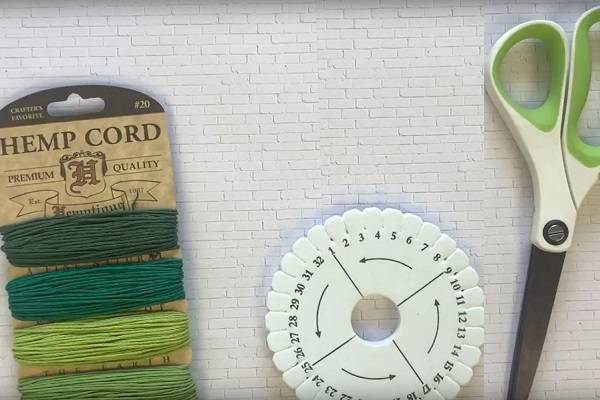
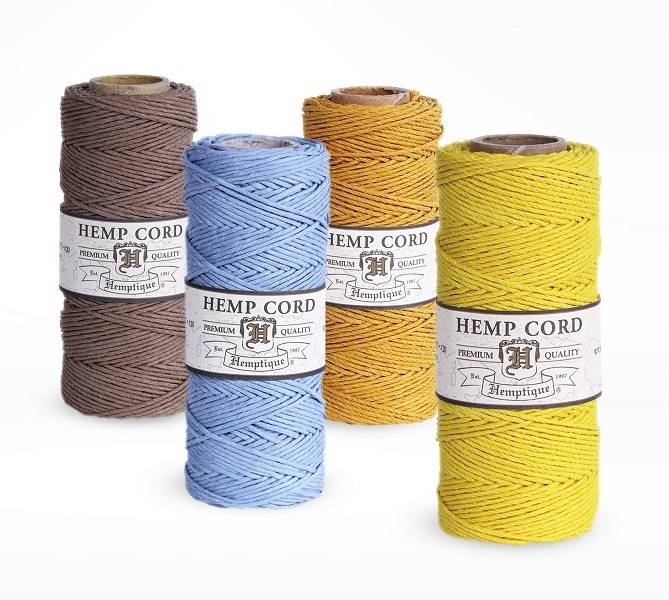
Hemptique offers cords in different color variations, designed in the US. Our products are oil-free, 100% natural, and biodegradable. Hemptique carries a wide range of hemp, linen and cotton cordage for gardening, interior design, jewelry making, macrame, school projects, and all king of craft supplies.
WHAT IS HEMP CORD USED FOR?
Some of the many hemp cords usages nowadays are:
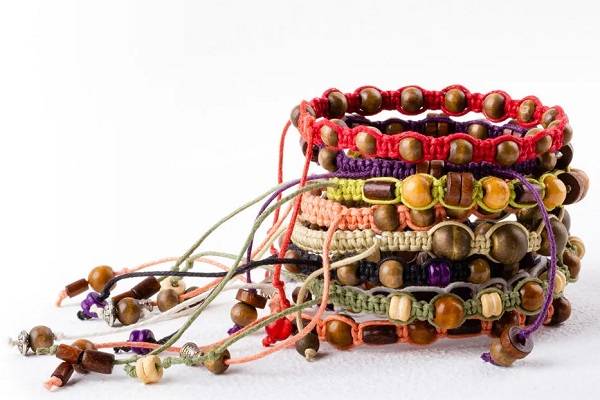
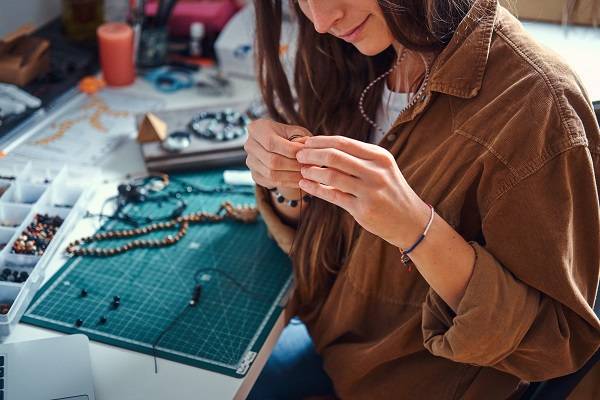
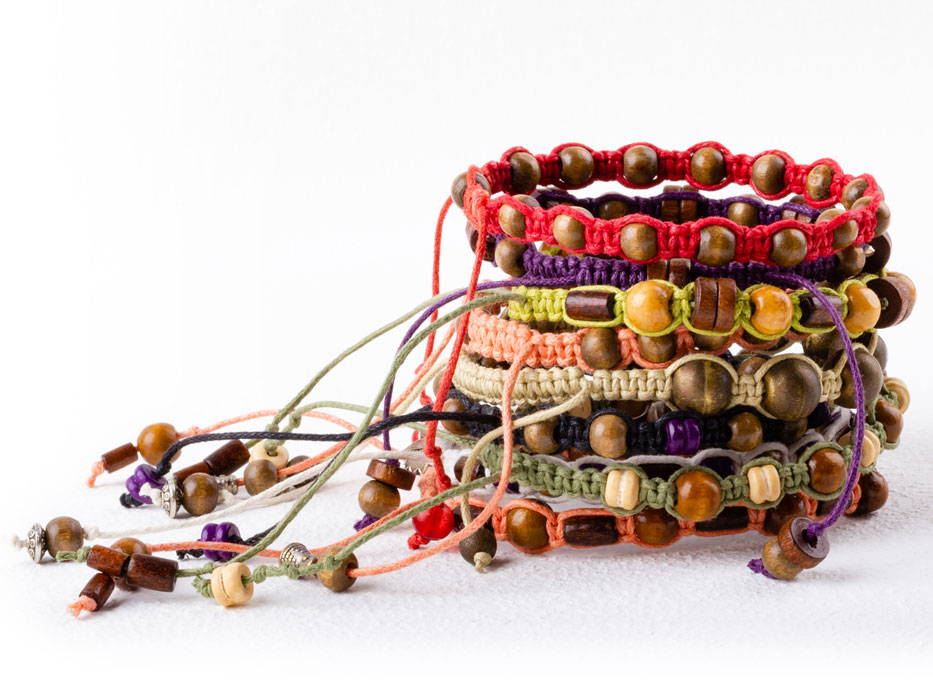
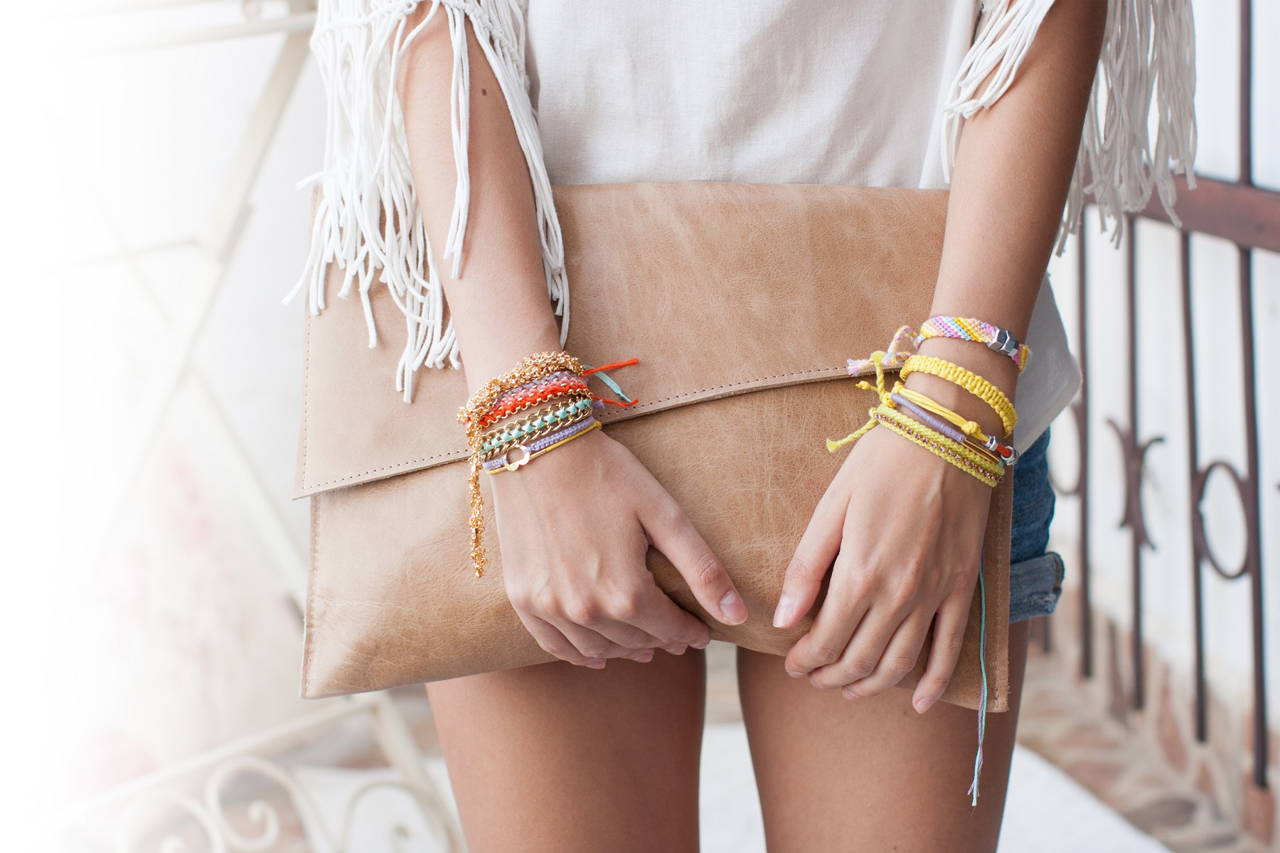
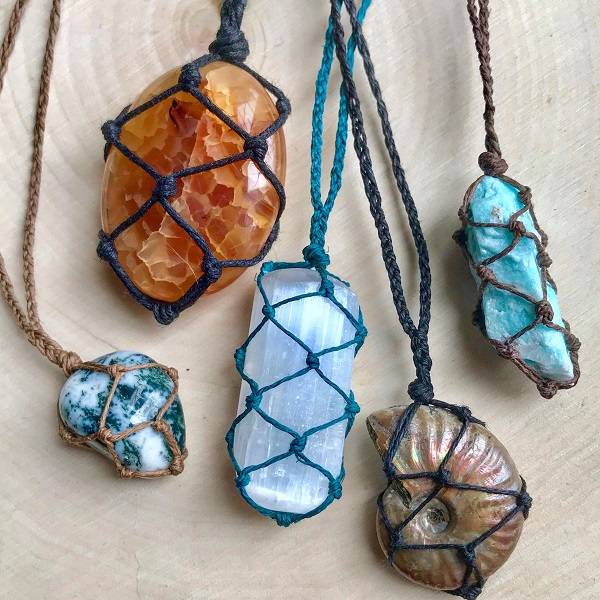
- Jewelry making: Hemp cord is an essential item for jewelry making (bracelets and necklaces) and beading. Among the most popular sizes for creating jewelry is the 1mm diameter size, which comes in 20 different colors.
- Gardening: The round nature of hemp makes it an ideal cord for garden décor because it's easy to work with and doesn't cut hands or plants. Furthermore, hemp is naturally weather-resistant and biodegradable. To tie and bind vines, tomato plants or stake trees, use 1.5-3mm diameter.
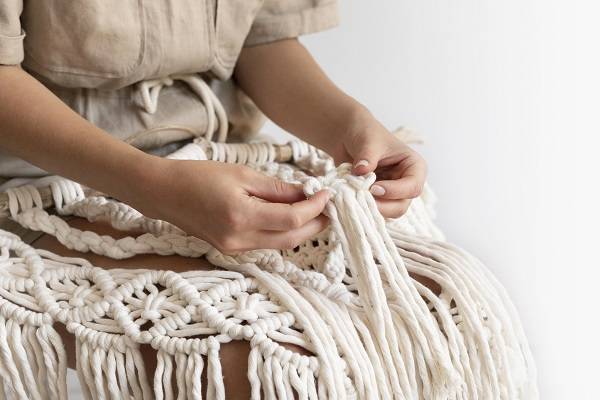
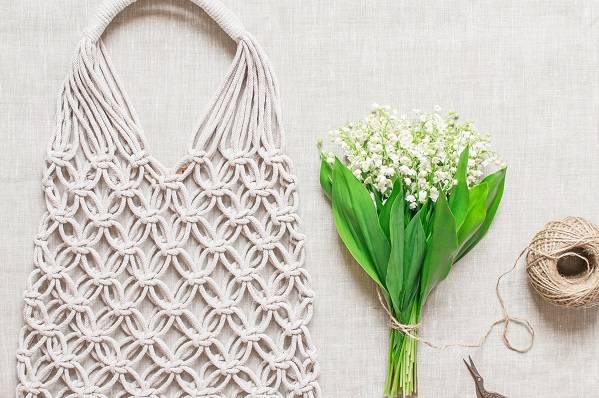
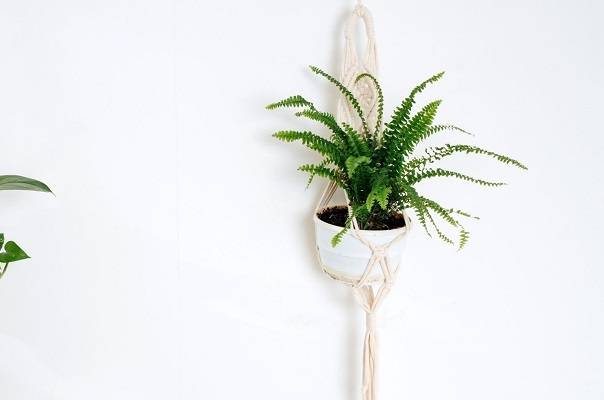
- Macramé with hemp cord: It is a favorite choice for people who make macrame. Macramé is a unique form of fiber art and can be used to make clothing, jewelry, purses, wall hangings and even plant hangers.
- Baker's twine: Chefs use hemp cords to tie food and cookies together. In addition, it can be used to tie up baking boxes.
- Hang tags: Give your products an additional splash of color. The label can be attached to clothing, gift tags, baked goods, and Christmas tree ornaments.
- Nautical decoration: The good thing about cords made from hemp fibers is that they can be used for interior and exterior design.
- Packaging: The hemp cord is perfect for tying up packages and presents. The use of hemp in this way adds a nice, eco-friendly touch to your gifts and adds an artistic touch.
- Paper crafting: Papercrafts made from hemp are natural and eco-friendly. Hemp cord makes attractive all types of paper projects, especially cards.
- Scrapbooking: Scrapbookers often use hemp cords. To form a book, attach a hemp cord to the pages for adornment or secure them together.
HEMP CORD BRACELETS DIY
For making a hemp macrame bracelet with beads, heed the following steps:
- Attach the seven beads to the 16-inch centerpiece of the hemp string. You can attach the cord to your corkboard with a T-pin in the center of the knot by tying an overhand knot near one end of the hemp thread.
- The 70-inch cord should be folded in half and slid behind the center cord attached to the corkboard. Once you have tied the first half of the square knot around the center cord, make sure to have the same amount of yarn on each side so it stays centered.
- Complete the square knot by tying the other half. Be sure to push up this first square knot against the overhand knot we made earlier and repeat it five more times. This will give you six square knots.
- Attach one of the beads to the square knots you just tied. After the bead, tie two square knots, ensuring there is no space between the knots and the bead. Tie two square knots between each of the remaining beads. After you slide the last bead into place, tie six more square knots to complete the pattern.
- Tie a half knot on the inside of the bracelet on the side inside the bracelet after you have connected the last six square knots. Let the knot dry for a few minutes after adding craft glue, and then cut the strings close to it.
- You can smooth the cut ends down with more glue if you like. Tie an overarm knot at the end of the remaining two ends of the center cord so they are the same length. The end cords should be about three inches long, so the sliding closure has plenty of room.
HEMP CORD NECKLACE DIY
- The natural color of hemp is tan, but many other colors are available.Twine made of hemp is usually 1mm thick, although you can also buythicker cords. If you prefer a coarser yarn, make sure your thread iseven and smooth.
- Rub a bit of beeswax on the hemp thread before you begin. It keeps the knots tight and protects the piece from getting dirty.
- Half your cords. Ensure the ends of each string are evenly spaced.
- A knot should be tied overhand. It prevents the loops from unraveling.
- Make sure your lines are arranged. The shorter strands should be on the inside and the longer outside.
- Make a half-square knot. Grab the line at the far right. Subsequently,draw it over the last thread, underneath the first two. Make a loop onthe far right. Under the first two cords, bring the cord to the left andover the last cord.
- Tie up the knot. You should maintain tautness and tension on the twocenter cords parallel to your work surface. As the knot runs up thecenter cord, vertically pull up the two outside cords. Tighten the knotat the top.
- Continue knotting the rope. Alternate the side from which you start your hemp for a matte look.
- Add a bead to the two center cords. Attach the threads to the knot.Lastly, tuck the two outer cords beneath the bead in a square knot. Youcan keep knotting your necklace without adding beads.
- Knot it until you have tangled 6 inches.
- When your necklace is about halfway through, attach a pendant.
- Knot the cord away from the pendant. String the other bead on the twocenter cords when you reach the length between the first bead and thependant. Tie the outside cords together underneath.
- When the necklace reaches the length you desire, knot it.
- You can finish your necklace in several ways. Clasps can be used, or youcan tie it off. If you don't want to use claps, you can tie an overhandknot just beneath the last half-square knot. You can also apply glue tothe knot to connect it more securely.
- You would need to finish off the ends of the necklace with metal or wirecord tips if you chose a metal clasp. Glue can be used to secure thetips. Depending on your clasp type, you can bend the metal clasps overthe cord. You can also crimp the clasp around the thread if yourfasteners use coils. Add jump rings to the clip to complete.
- Trim about five inches of excess cord from the overhand knot to have enough length to adjust and tie the necklace.
TESTIMONIALS
"I love the consistent quality of Hemptique cord. This rainbow color isreally pretty! Since this is a variegated spool, this cord has multiplecolors running throughout the one cord. The ten pound size works outwell because it is thin enough to easily go through many different sizesof beads. I find this cord nice and strong too-not at all flimsy" - Janet (verified buyer)
"Easy to work with cord, and the rainbow colors brightened my day when Iopened the box. A couple of freebies in the parcel were also a nicesurprise. I am using it to make coiled twine pots, and they lookdivine." – Donna L. Carrey, verified buyer
"This cording (I ordered the pastel) is very nice quality hemp. It'seasy to work with, the colors are very pretty, and the corn is aconsistent width all the way through. It will not leave your knottinglooking lumpy. Also, it knots well at the end and takes the jewelry'scement well." – The Pink Purpose, verified buyer
"This is a great product for making jewelry and other craft projects. Ihad gone to other large crafts stores and the colors were limited andthe price was $2.00+ more per spool. The shipping time was fast andordering was easy - which made it even better." – Cal, verified buyer
FAQ
How much does hemp cord cost?
Is hemp cord waterproof?
If you refer to the current standards of waterproofing, then the answer is no. But, you can make it can waterproof to a certain level. To make hemp cord waterproof, you need to treat it with beeswax.