

- HEMP FIBER 101
What Are Hemp Hurds and What Are They Used For?
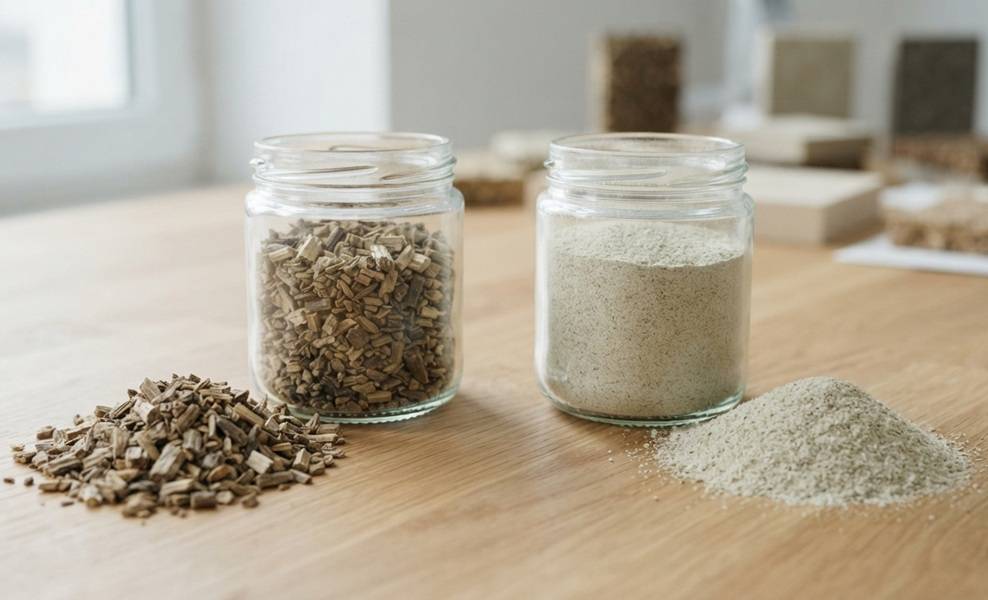
You may also see hemp hurd described as hemp shiv, shive or shives. These terms refer to the woody core of the hemp stalk, not the long bast fibers used for products such as yarn, cordage and textiles.
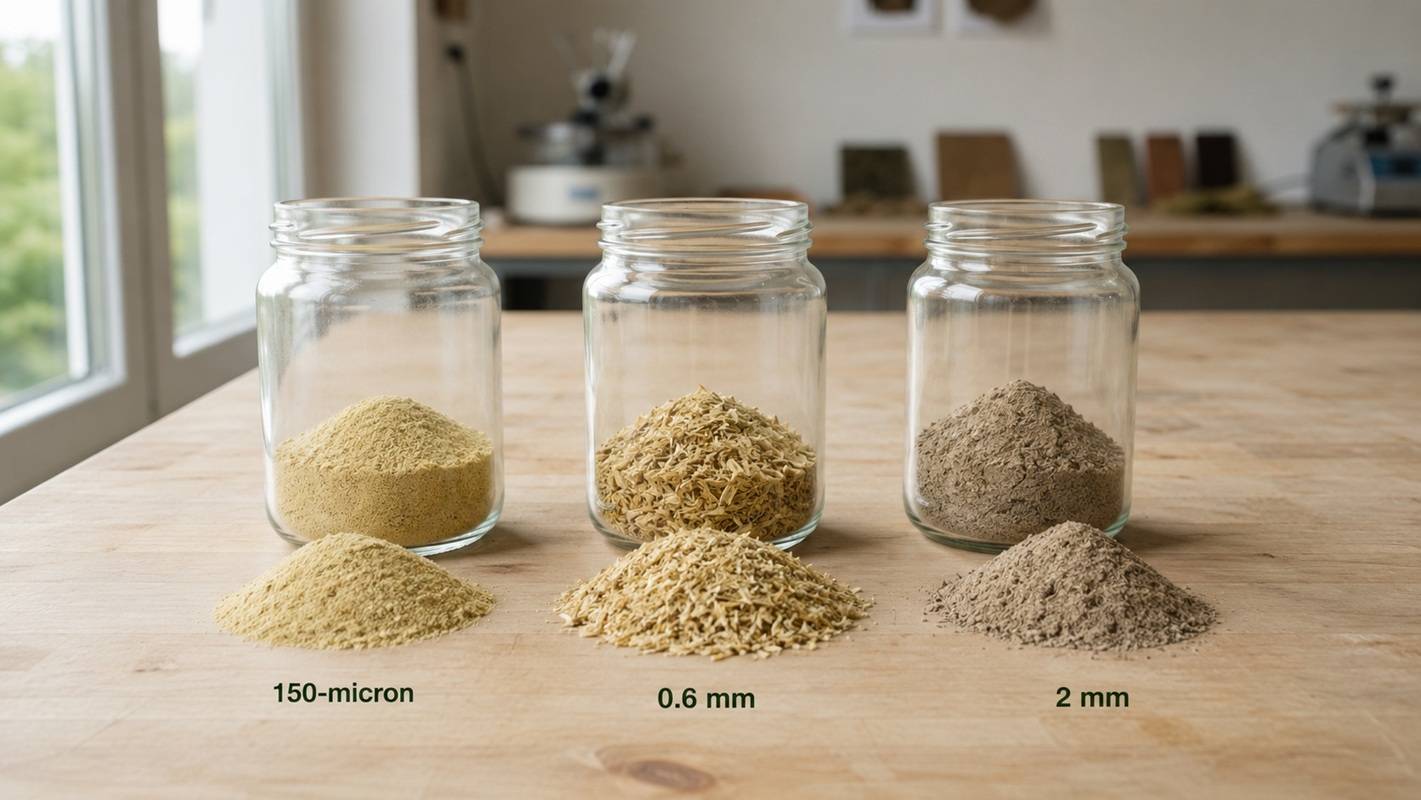
Hurd size and form can vary considerably. A coarse piece of hemp hurd behaves differently from material milled to 2 mm or micronized to 150 microns. Particle size affects characteristics such as surface area, texture, distribution and how the material interacts with other ingredients.
This is why choosing hemp hurd starts with the application and the physical form the project requires.
What Part of the Hemp Plant Becomes Hurd?
What’s the Difference Between Hemp Hurd, Shiv and Shive?
Hemp hurd and hemp shiv refer to the woody inner portion of the hemp stalk after it has been separated from the bast fiber. You may also encounter the spellings shive and shives.
The form of the material can differ even though these terms describe the same basic part of the plant.
Hurd may be supplied as recognizable woody pieces for uses such as bedding and building materials. It can also be screened, milled or micronized to create much smaller particles for other applications.
For buyers, the product specifications and particle size usually tell you more than the choice between the words hurd and shiv.
What Are Hemp Hurds Used For?
Animal Bedding
Hemp-Lime and Building Materials
In this application, suitable hemp hurd is combined with a lime or mineral-based binder and water. The hurd contributes lightweight plant material to the mixture.
Hemp-lime is used in applications such as wall infill and insulation. It should not be confused with conventional structural concrete, and the hurd used for a building mixture needs to meet the requirements of that particular system.
Particle size and consistency are important because the physical structure of the hurd affects how it mixes with the binder and behaves within the finished material.
Soil and Growing Applications
Depending on the product and particle size, hemp material may be incorporated into growing media, soil systems or other agricultural applications where its physical structure and plant-based composition are useful.
The intended use matters here. Material prepared for soil applications may have different characteristics from hurd sold for bedding, construction or manufacturing.
Hemptique's collection includes Hemp Soil Enhancement, providing an option specifically prepared for soil-related use.
Composites and Bio-Based Materials
Instead of functioning as long reinforcement fibers, hurd particles can be distributed throughout another material as a plant-based particulate component.
Particle dimensions become particularly important in these applications. Coarser material behaves differently from fine powder, and very small particles provide a different surface area and distribution within a mixture.
Other factors also matter, including moisture, particle consistency, binder or matrix compatibility and the manufacturing method.
For technical applications, particle size should therefore be treated as one material specification among several.
Paper and Fiber-Based Products
These applications do not depend on maintaining the long, continuous bast fibers required for traditional spinning or cordage. Instead, the plant material is broken down and processed according to the requirements of the finished product.
Hemp bast fiber and hurd can both contribute to paper production, although they have different structures and fiber characteristics.
Why Hemp Hurd Particle Size Matters
how easily the material mixes or disperses
the texture of the resulting mixture
surface area available for interaction with other materials
packing and distribution
handling during manufacturing
compatibility with particular equipment or processes
Hemp Hurd Sizes and Forms
| Form | Particle Size | What It Tells You |
|---|---|---|
| Coarse or chopped hurd | Larger pieces | Retains more of the recognizable woody structure of the hemp core |
| Powdered hemp hurd | 2 mm | Smaller particles produced by further size reduction |
| Fine powdered hemp hurd | 0.6 mm | Finer material with increased surface area and easier distribution in some applications |
| Micronized hemp hurd | 150 microns | Very fine hemp-derived particulate material for applications requiring a much smaller particle size |
What Is Micronized Hemp Hurd?
A micron, or micrometer, is one-thousandth of a millimeter. This means a 150-micron particle is approximately 0.15 mm in size.
That puts 150-micron hurd in a very different physical category from coarse pieces or a 2 mm product.
Micronization increases the surface area of the material relative to larger particles and produces a finer material that can be distributed more evenly in applications suited to small particulate ingredients.
Fine particle size also changes handling. Powders behave differently from chopped hurd, so equipment, dust management, storage and the requirements of the material receiving the hurd all need to be considered.
Hemptique offers Micronized Hemp Hurds – 150 Microns for applications that require this finer hemp-derived material.
Choosing Particle Size Depends on the Application
Coarse hurd retains the physical structure needed for applications where larger woody pieces are useful. Bedding is a clear example: a usable bedding layer requires a completely different material form from a micronized powder.
Fine hurd has different advantages. Reducing the particle size can make the material easier to distribute through certain mixtures and increases the available surface area.
Micronized hurd takes this further by producing fine particulate material for processes that require much smaller and more consistent particles.
How to Choose Hemp Hurd
| If You Need... | Start By Considering... |
|---|---|
| Material prepared for animal bedding | Hemp Hurds for Animal Bedding |
| Coarse woody hemp material | Chopped or coarse hemp hurd appropriate for the intended application |
| Smaller hurd particles | 2 mm Powdered Hemp Hurds |
| Finer particulate material | 0.6 mm Powdered Hemp Hurds |
| Very fine hemp-derived particles | 150-Micron Micronized Hemp Hurds |
| Material prepared for soil use | Hemp Soil Enhancement |
Hemp Hurd vs Hemp Bast Fiber
Bast fiber forms long fibrous strands along the outside of the stalk. It is the material to consider for applications where fiber length, continuity or alignment matter, including spinning, cordage and many textile uses.
Hurd comes from the woody inner core. It is used in applications that benefit from the structure of the woody material or from chopped, powdered and micronized hemp particles.
If you're comparing long fiber, short fiber, sliver and other bast forms, see Hemp Fiber Types and What They’re Used For.
Find Hemp Hurd for Your Application
Start with the intended use, then look at particle size, preparation and the other specifications your project requires.
Hemptique carries hemp hurds for animal and soil applications, along with 2 mm and 0.6 mm powdered hurds and 150-micron micronized hurd for buyers looking for specific particle sizes.