As pages and embellishments are added, overall thickness increases. This changes how tension is distributed along the spine or closure. Materials that allow adjustment help accommodate this change more easily.


Using Cord for Scrapbook Bindings and Closures
How placement, tension and scale affect page movement and bulk
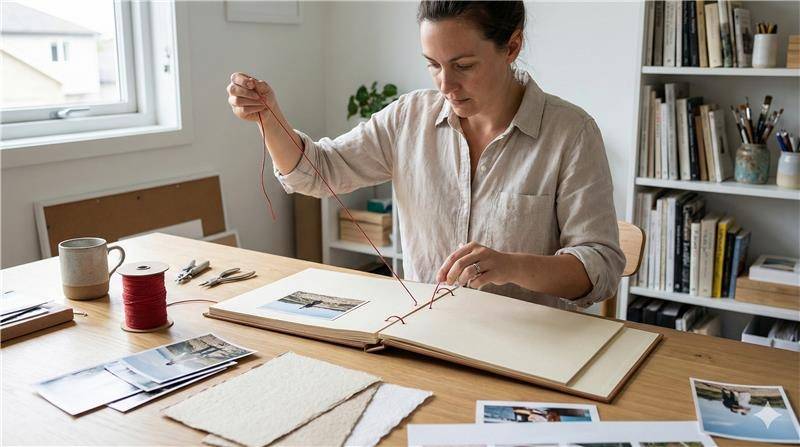
Bindings and closures determine how a scrapbook functions once pages are assembled and handled. While cord is often chosen for its appearance, its placement, thickness and tension play a larger role in how a book opens, closes and ages with use.
This article focuses on how cord behaves in bindings and closures over time. It does not cover decorative techniques or step-by-step methods. Instead, it looks at structural considerations that influence durability, comfort and usability as pages are added and adjusted.
Table of Contents:
Why Bindings and Closures Change Over Time
Exposed Bindings: Where Cord Works Well and Where It Causes Problems
Wrap Closures and Adjustable Ties
Managing Bulk at Spines and Edges
When to Use Thread Instead of Cord
Materials That Work Well for Bindings and Closures
Why Bindings and Closures Change Over Time
Scrapbooks are rarely static objects. Pages are added, rearranged and revisited. Each change alters how pressure is distributed along the spine and edges, especially when cord is part of the structure.
Early in a project, bindings and closures often feel loose and flexible. As layers accumulate, tension increases and movement becomes more restricted. This shift is gradual, which makes early material choices more important than they may seem at first.
Increased resistance when opening pages
- Uneven pressure along the spine
- Closures that feel tight or awkward as thickness grows
Cord that allows for controlled adjustment helps accommodate these changes without stressing paper or distorting page alignment.
Exposed Bindings: Where Cord Works Well and Where It Causes Problems
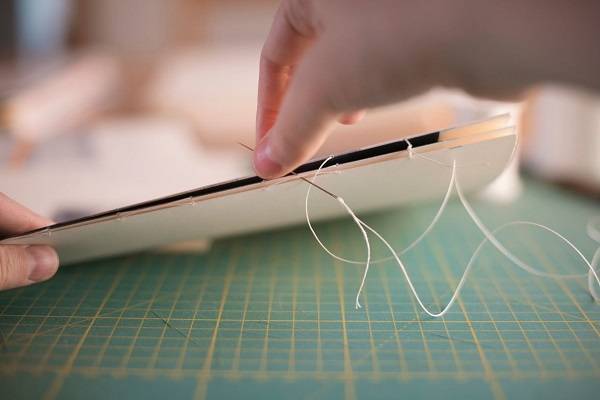
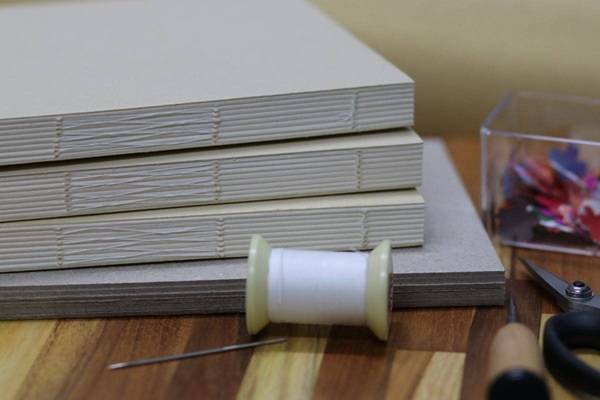
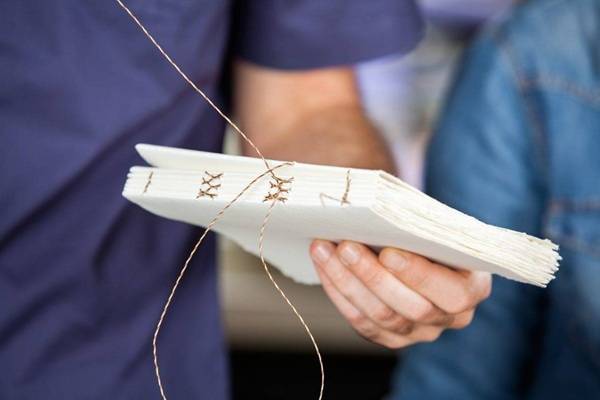
Exposed bindings rely on cord or thread as a visible structural element. This format allows flexibility, though it also places material directly in areas that experience repeated movement.
Cord performs best in exposed bindings when:
Cord performs best in exposed bindings when:
- Thickness matches the scale of the pages
- Tension is distributed evenly along the spine
- Knots are placed away from areas that flex during opening
Problems tend to appear when cord is too thick or tightened excessively. This can cause pages to fan outward or resist lying flat, especially as additional layers are added.
Using finer cord or thread helps reduce bulk at the spine and allows pages to pivot more naturally during use.
Using finer cord or thread helps reduce bulk at the spine and allows pages to pivot more naturally during use.
Wrap Closures and Adjustable Ties
Wrap closures are often chosen because they allow a scrapbook to expand as content grows. These closures depend on cord flexibility and ease of adjustment.
- Bend smoothly around layered pages
- Tie and untie without pulling against paper edges
- Sit flat against covers when secured
As albums thicken, closures that cannot be adjusted easily may begin to restrict movement or place pressure on covers. Choosing cord that remains workable over time supports repeated adjustment and helps maintain balance as the project evolves.
Managing Bulk at Spines and Edges
Bulk is one of the most common structural issues in scrapbook bindings and closures. It develops gradually as pages, photos and embellishments are added. It is often intensified by how cord is placed and layered within the structure.
How bulk builds over time
Every layer added to a scrapbook changes how pressure is distributed. When cord is included near the spine or edges, it contributes to that buildup in ways that are not always visible at first.
- Cord overlaps itself repeatedly in the same area
- Knots are stacked close together along the spine
- Rigid materials are combined without spacing
As bulk increases, pages may begin to resist lying flat or shift unevenly when opened.
Distributing material instead of concentrating it
One effective way to manage bulk is to spread structural elements across a wider area. When cord, knots and layered materials are clustered tightly, pressure focuses on a small section of the page or spine.
- Reduce stiffness at the binding
- Allow pages to pivot more freely
- Maintain even alignment as thickness increases
Using finer cord or thread in high-movement areas supports this balance.
Edge placement and paper stress
Cord placed too close to page edges can amplify stress during handling. As pages are turned, edges experience more movement than interior areas.
- Reduces leverage on holes and folds
- Lowers the chance of tearing over time
- Improves overall page stability
This consideration becomes more important as albums grow thicker and heavier.
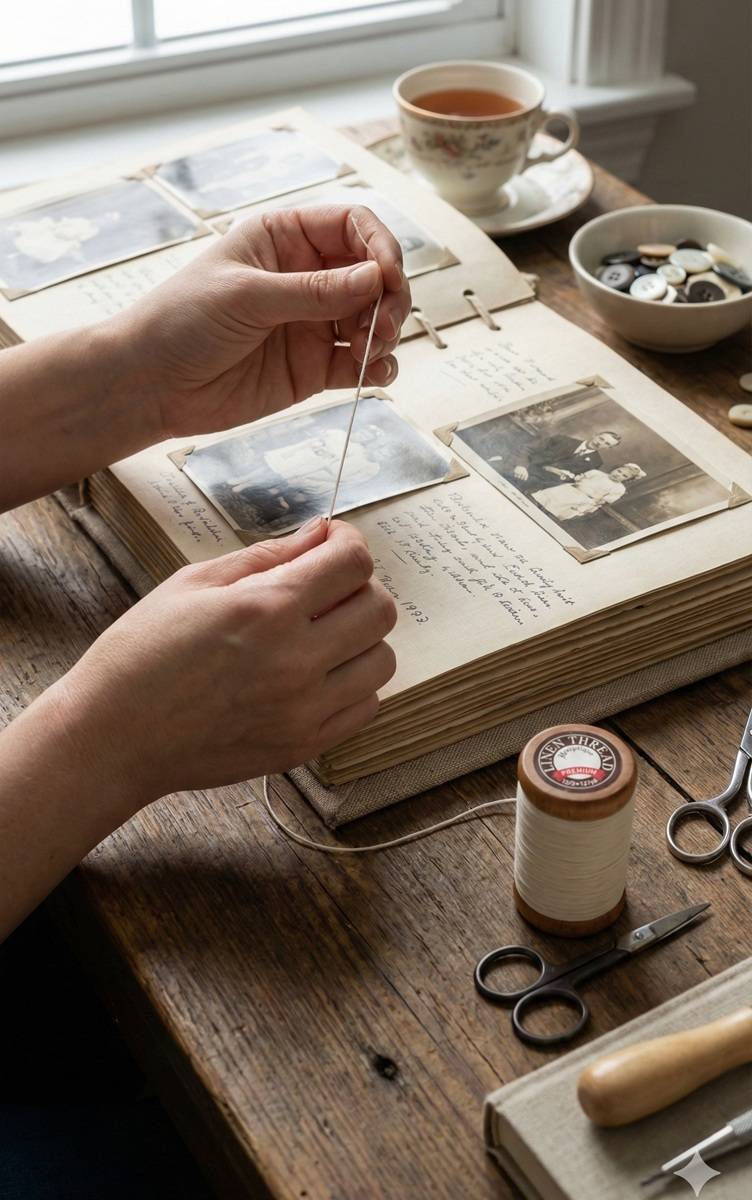
Adjusting as the project evolves
Bindings and closures benefit from periodic adjustment. What works at the beginning of a project may feel restrictive later as content is added.
When to Use Thread Instead of Cord
Cord is useful in many scrapbook bindings and closures, though it is not always the most appropriate option. In some situations, thread provides better structural support with less impact on paper movement and bulk.
Situations where cord becomes too much
Cord introduces visual weight and physical thickness. In areas where pages need to pivot freely or lie flat, this added structure can work against the design.
- Pages are thin or lightly layered
- Bindings sit close to the spine or fold
- Minimal bulk is important for alignment
Using thread in these cases helps maintain flexibility without sacrificing stability.
Thread for stability without spacing
Thread distributes tension across a smaller profile. When passed through paper, it occupies less space and compresses less material around holes and folds.
- Even page stacking
- Cleaner edges near bindings
- Reduced stress on punched areas
Thread is commonly used in situations where the structure needs to hold pages together without becoming a dominant physical element.
Combining thread and cord thoughtfully
Some scrapbook structures benefit from using both materials in different roles. Thread can support interior bindings or hinges, while cord is reserved for closures or surface accents.
- Structural stability where movement is constant
- Visual emphasis where flexibility is less critical
By assigning each material a specific function, the overall structure remains balanced and easier to manage over time.
Considering long-term handling
Scrapbooks are opened and closed repeatedly. Materials that allow pages to move freely tend to perform better over extended use.
Materials That Work Well for Bindings and Closures
Bindings and closures place specific demands on materials. They need to support repeated movement, allow adjustment as pages are added and avoid concentrating stress in small areas. The suitability of a material depends on its thickness, flexibility and surface behavior when paired with paper.
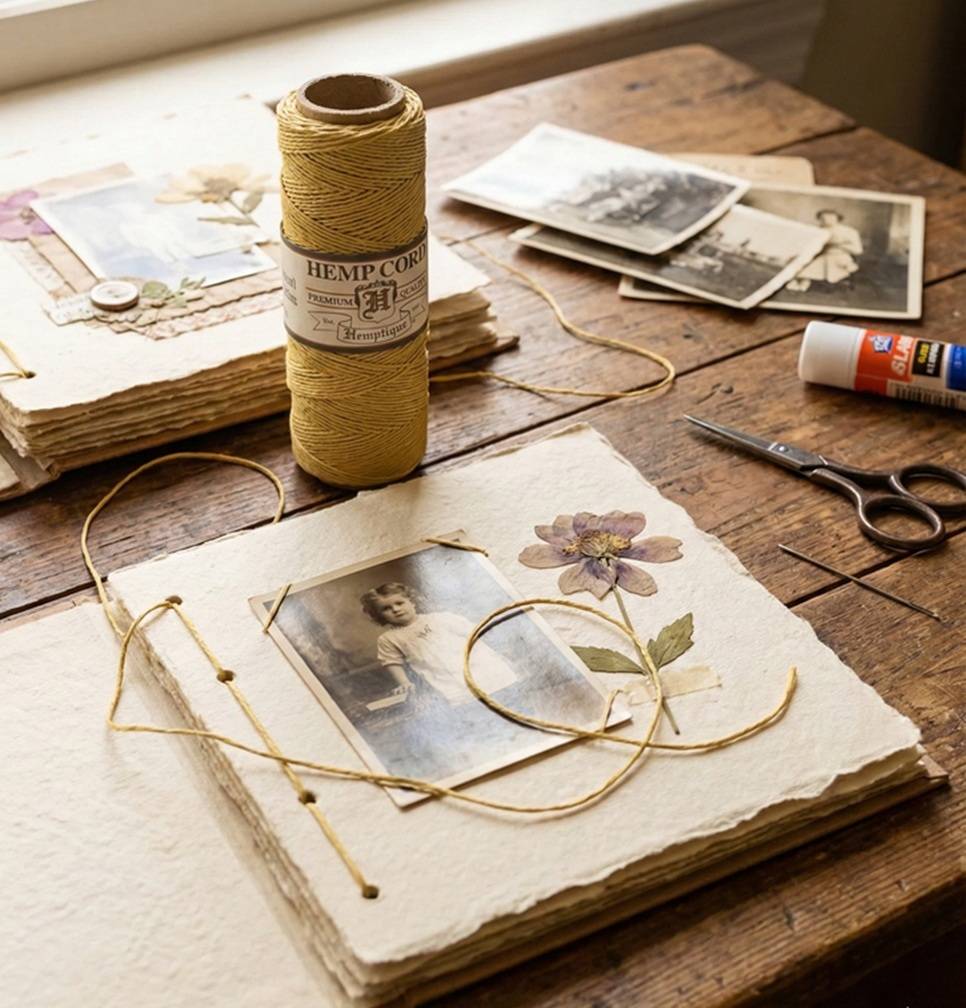
Thin cord for visible structure
Thin cord provides a balance between structure and flexibility when a binding or closure is meant to remain visible. Its defined profile allows knots and ties to hold securely while keeping bulk manageable.
- Exposed bindings with moderate page counts
- Wrap closures that require periodic adjustment
- Surface elements where visual definition matters
Keeping cord thickness in proportion to page weight helps maintain even movement as the scrapbook grows.
Thread for internal structure and movement
Thread performs best in areas where pages hinge and flex repeatedly. Its small profile supports stability without introducing spacing or stiffness.
- Interior bindings close to the spine
- Hinges that must remain flexible
- Structures where pages need to align closely
Using thread in these roles helps reduce long-term stress on paper.
Material flexibility and adjustability
Bindings and closures benefit from materials that remain workable over time. The ability to loosen, retie or reposition helps accommodate changes as content is added.
- Ongoing usability
- Even tension distribution
- Reduced wear during handling
Selecting materials with these behaviors in mind improves durability and comfort during use.
Matching material to purpose
No single material suits every role within a scrapbook. Assigning materials based on function - thread for movement, cord for visible ties helps maintain balance between structure and flexibility.
Reliable Materials for Scrapbook Bindings and Closures
Bindings and closures depend on materials that behave predictably at a small scale. Variations in thickness, surface texture or flexibility become noticeable quickly once pages begin to move and tension changes over time.
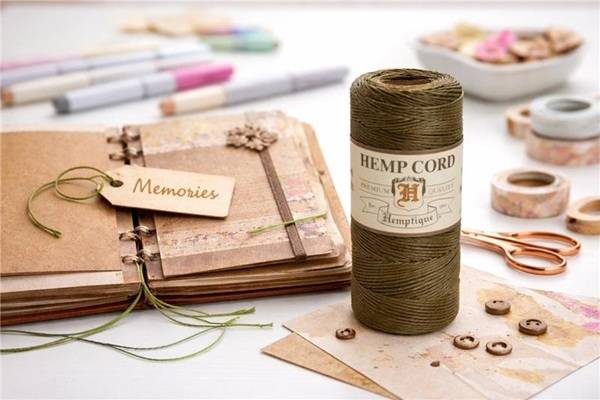
Hemptique has worked with natural fibers since 1997, supplying hemp, cotton and linen cords used across crafts and professional applications. This focus supports consistent sizing and materials that remain manageable when used in paper-based structures.
FAQ
Why do scrapbook bindings feel tighter over time?
Should bindings be adjusted as a scrapbook grows?
Yes. Bindings and closures often benefit from periodic loosening or repositioning as content is added. Materials that can be retied without stressing paper support this process.
Can cord be used inside the spine without causing stiffness?
It can, though thinner cord or thread usually performs better in high-movement areas. Thicker cord placed close to the spine may limit flexibility as pages accumulate.
Why do wrap closures sometimes pull at page edges?
Closures positioned too close to edges concentrate tension in a small area. Placing closures slightly inward and using flexible materials helps reduce edge stress.
Is it better to use one material for the entire structure?
Not always. Many projects work better when thread supports interior movement and cord is reserved for visible ties or closures. Assigning materials by function helps maintain balance.