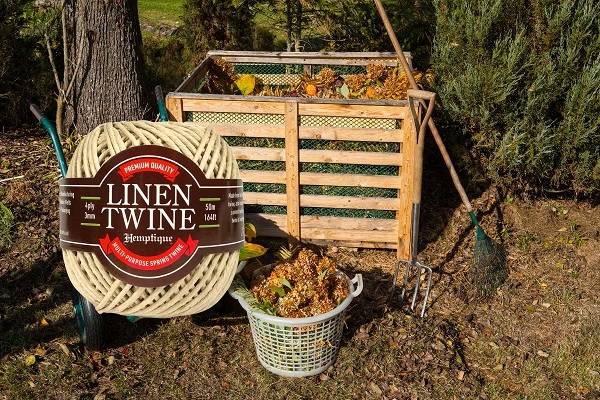

When stored dry and away from moisture, linen maintains strength and handling quality over time.


Linen Baling Twine: A Guide for Agriculture and Industrial Use
How material choice affects load handling, knot security and end-of-use outcomes in real working conditions

Baling twine plays an important role in agriculture and industrial operations where bundling, securing and handling materials must remain reliable under daily use. It is used in environments where load, friction, weather exposure and repetition are part of normal working conditions. Because of this, material choice affects performance during use as well as handling, cleanup and disposal later on.
What Is Baling Twine?
Baling twine is a strong cord used to bundle, tie and secure materials under tension. It appears across agriculture, warehousing, landscaping and industrial environments where manual tying tasks occur frequently and consistency matters.

Typical uses include:
Securing hay, straw or crop bundles
- Tying plant material during harvest or transport
- Bundling goods for storage or shipment
- Organizing materials in agricultural and industrial facilities
Baling twine differs from general-purpose twine in both strength and intent. It is produced to handle repeated tying under load while maintaining predictable behavior. The terms baling twine and baler twine are commonly used interchangeably.
- Stable tensile strength
- Secure knot holding
- Consistent handling during repetition
- Suitability for professional workflows
These requirements make material selection especially important.
Common Materials Used for Baling Twine
Baling twine is produced from both synthetic and natural materials. Each behaves differently once placed under tension and exposed to real working conditions.
Synthetic baling twine
Synthetic baling twine is commonly produced from polypropylene or nylon. These materials offer uniformity and resistance to moisture and are widely used in large-scale operations.
- High resistance to water
- Smooth surface texture
- Minimal fiber change during use
After use, synthetic twines require removal and disposal, as they do not break down naturally.
Natural fiber baling twine
Natural baling twine is made from plant-based fibers such as jute, sisal or linen. These materials have long histories in agriculture and continue to serve operations where handling behavior, knot security and material responsibility matter.
- Firm knot grip
- Natural interaction with tension and friction
- Breakdown through natural processes over time
Among natural options, linen baling twine is known for its long fiber structure, strength and consistent behavior in demanding agricultural and industrial environments.
How Linen Baling Twine Behaves in Real Use
Linen baling twine behaves differently once placed under load and used repeatedly. These differences become clear during daily work rather than at the point of purchase.
Synthetic baling twine
Linen provides high tensile strength while remaining stable under tension. When load is applied, it holds its length more consistently.
In practice, this leads to:
In practice, this leads to:
- Predictable tension after tying
- Fewer adjustments during handling or transport
- Stable bundle size and shape
Knot security and friction
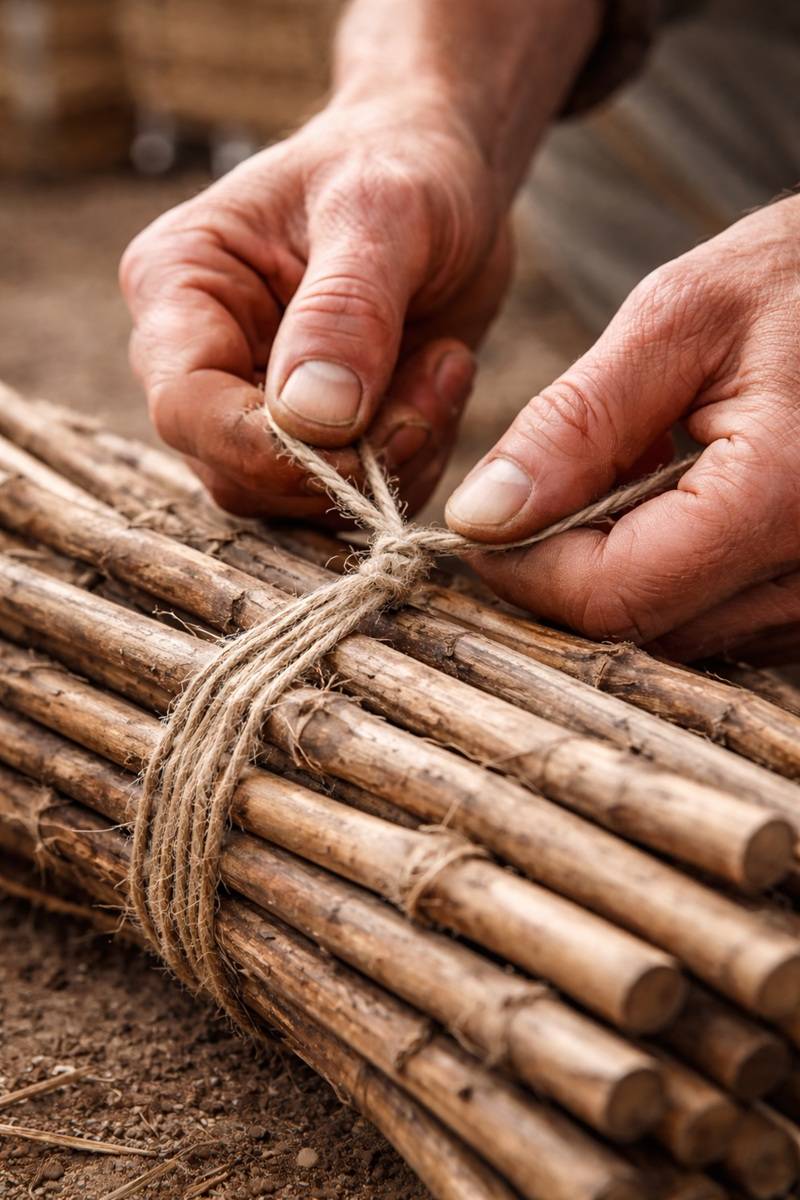
Knot behavior depends on surface texture and fiber structure. Linen grips through natural fiber friction, which supports stable knots once set.
- Gradual knot tightening
- Reduced slippage under load
- Clear feedback during tying
Handling during repeated use
During extended work sessions, linen maintains a consistent feel in the hand. Its long fibers support controlled tightening and steady handling across repeated tasks.
Interaction with moisture and environment
Linen absorbs moisture and dries naturally. This affects feel and grip during use but does not cause sudden performance changes. Knot behavior remains stable during wet conditions.
End-of-use behavior
After use, linen baling twine breaks down through natural processes instead of fragmenting into persistent residue. This influences cleanup routines and long-term site conditions.
Linen vs Nylon Baling Twine
Linen and nylon differ in how they respond to tension, handling and end-of-use considerations.
Load behavior and tension control
Nylon stretches under load, which can alter tension after tying. Linen maintains more consistent length, supporting stable bundles during handling and storage.
Knot performance
Nylon’s smooth surface can allow movement during tightening. Linen’s fiber texture supports firm, stable knots once set.
Handling and safety
Nylon can feel slick during extended use, especially when wet. Linen provides a firmer grip, supporting controlled handling during repetitive work.
Cleanup and site impact
Synthetic twines require full removal and disposal. Linen breaks down naturally over time and does not leave synthetic residue behind.
How to Choose the Right Linen Baler Twine Thickness
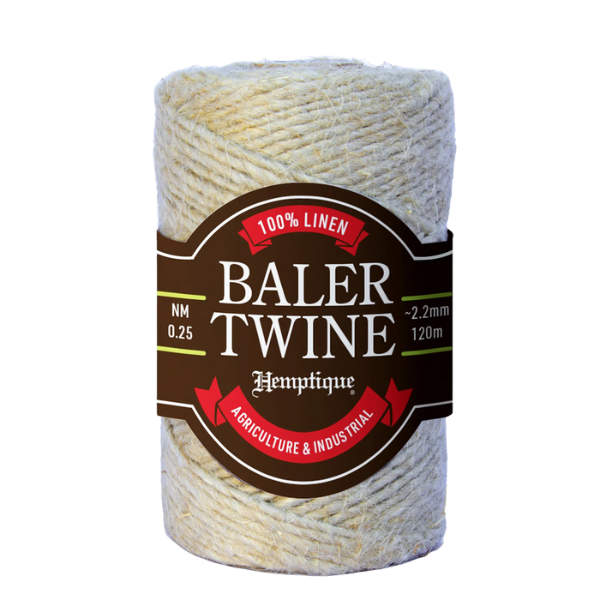
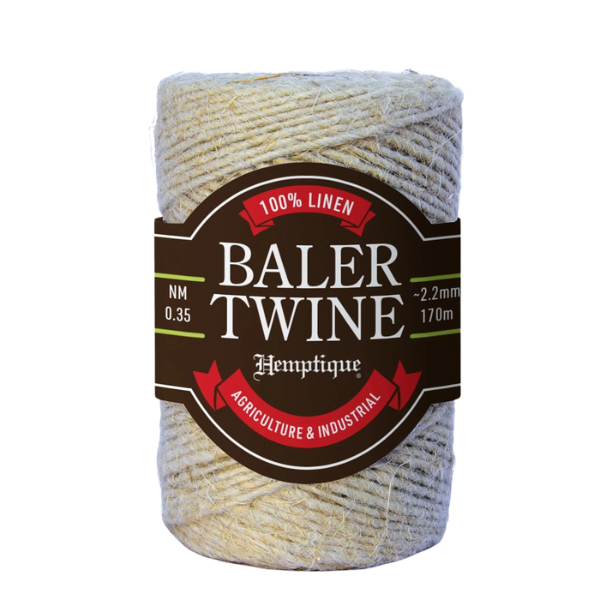
Linen baler twine is available in different thicknesses to match workload, handling needs, and load requirements. The Nm (number metric) system describes yarn thickness based on length per unit of weight, with lower Nm numbers indicating thicker twine.
Lighter applications and frequent handling (Nm 0.25)
Best suited for:
- Smaller bundles
- High-frequency tying
- Tasks where control matters
General agricultural and professional use (Nm 0.35)
Best suited for:
- General baling and bundling
- Vineyard and greenhouse work
- Mixed workloads
Heavy-duty and industrial applications (Nm 0.45)
Best suited for:
- Heavy or dense bundles
- Industrial securing
- Limited adjustment after tying
Selecting thickness based on task improves efficiency and consistency.
Where Linen Baling Twine Makes the Most Sense
Linen baling twine aligns well with environments that rely on manual handling, repeated tying and responsible material management.
- Farms and harvest operations
- Vineyards and perennial crops
- Greenhouses and controlled environments
- Warehousing and industrial facilities
Its behavior supports workflows where consistency and cleanup matter.
End-of-Use and Material Responsibility
End-of-use planning affects labor, site conditions and long-term maintenance.
- Removes cleanly
- Avoids persistent residue
- Supports responsible disposal practices
Considering end-of-use during selection helps maintain cleaner sites over time.
Why Consistent Linen Fiber Quality Matters
Consistent fiber sourcing and processing affect knot behavior, handling feel and strength under load.
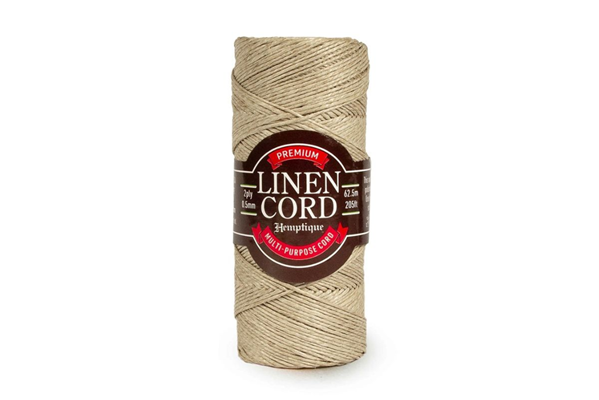
Hemptique Linen Baler Twine
Hemptique offers linen baler twines designed for different handling and load requirements.
Frequently Asked Questions
How does linen baling twine perform during long storage?
Does linen baling twine cause hand fatigue?
Extended tying sessions often benefit from gloves, especially with thicker sizes or high tension.
Can linen baling twine be used near machinery?
It is intended for manual tying and should only be used with machinery when approved by equipment manufacturers.
What happens if linen baling twine gets wet often?
Linen absorbs moisture and dries naturally. Allowing it to dry between uses supports consistent handling.
Is thicker twine always safer?
Using thickness matched to task improves control and reduces excess material use.
How do operations reduce waste with baling twine?
Consistent cutting lengths, proper thickness selection and clean removal reduce waste.
What adjustment is needed when switching from nylon?
Users often adjust tension expectations, as linen does not stretch the same way.