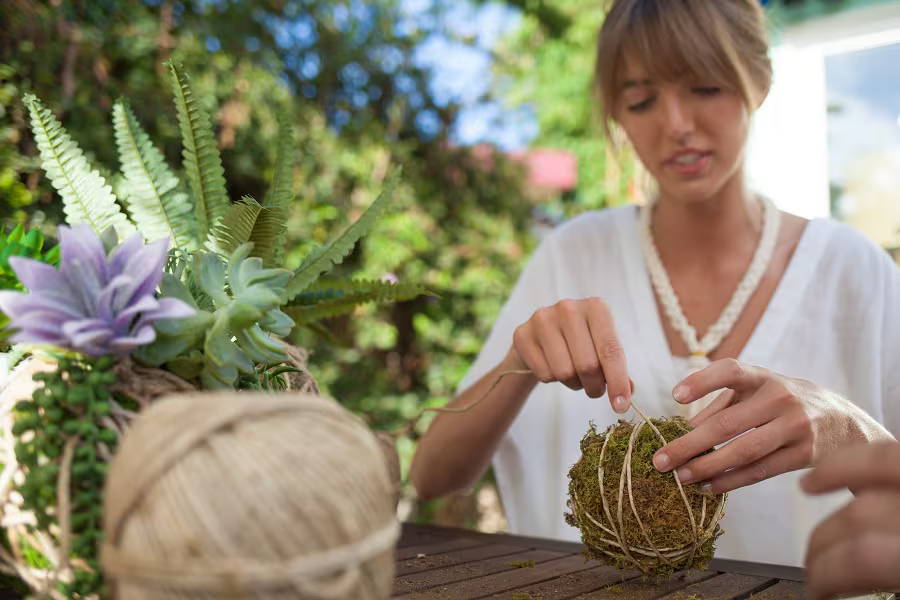
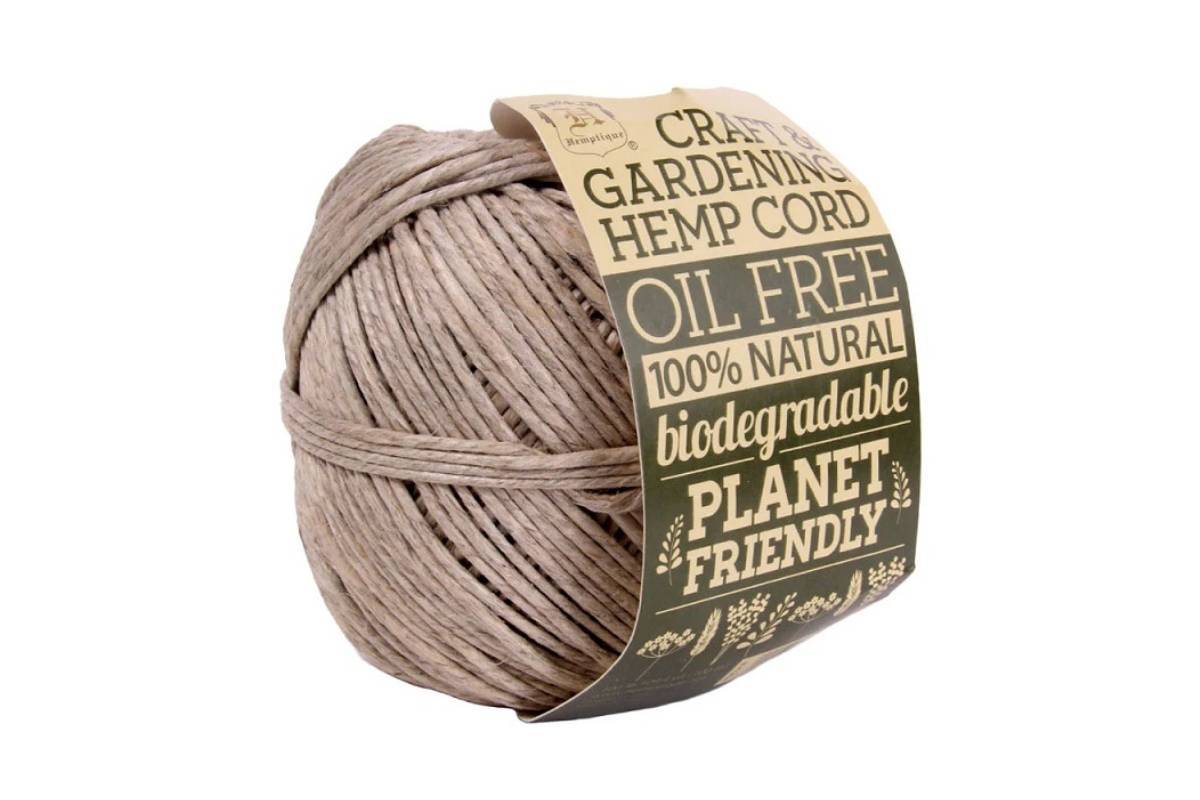
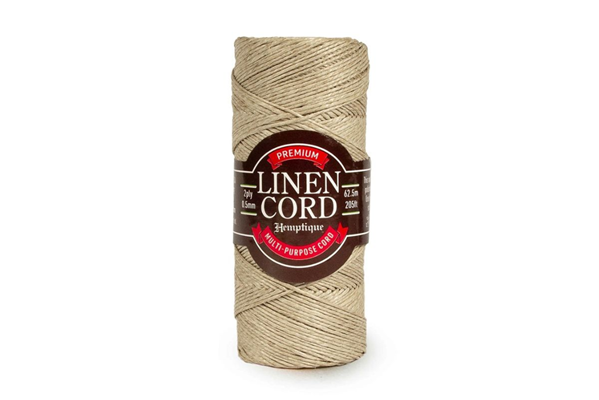
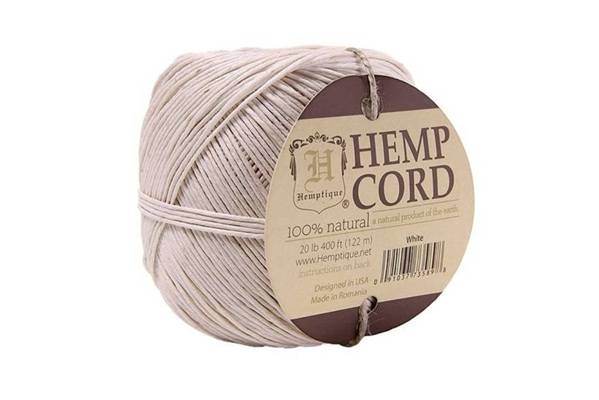
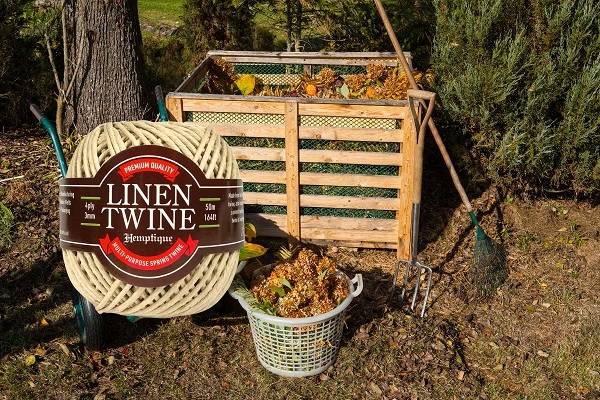
Plant-based ties made from fibers such as hemp and linen offer a practical alternative. These materials avoid synthetic components and suit repeated seasonal use.


Why Material Choice Matters in Sustainable Gardening
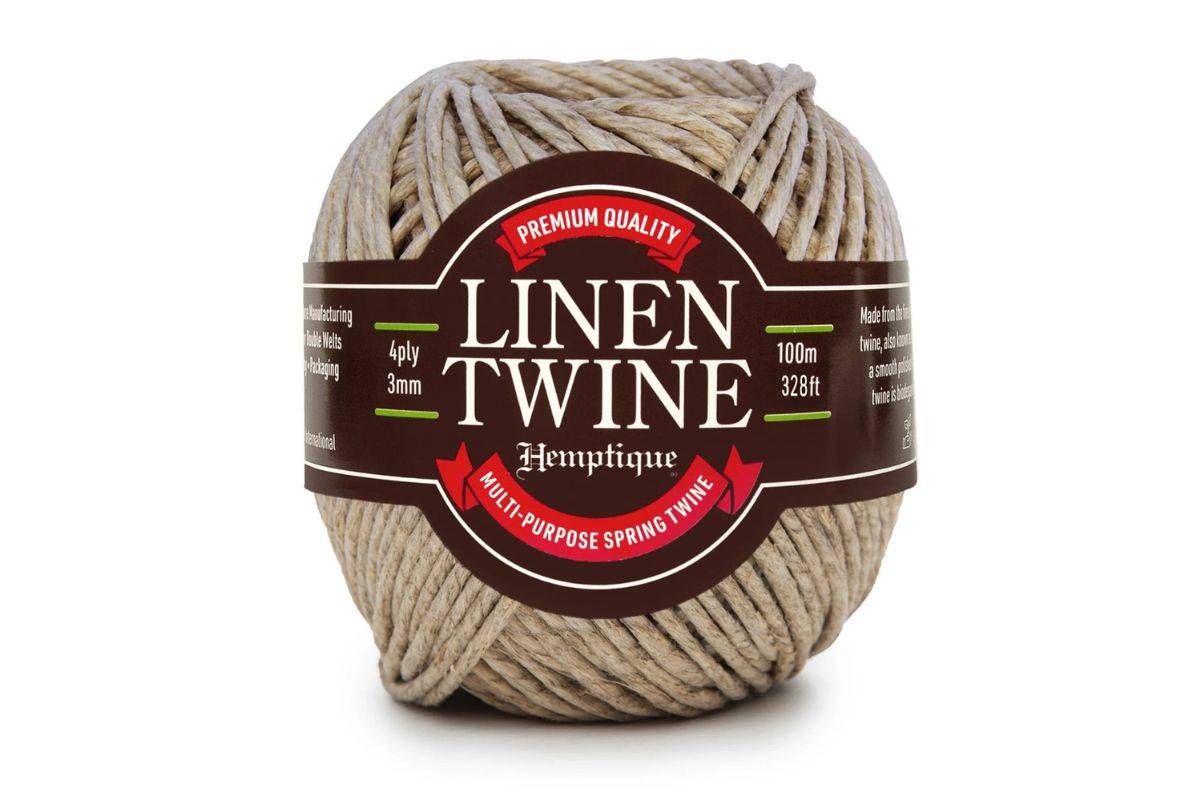
Sustainable and earth-friendly gardening is often associated with soil health, water use and plant selection. These elements play an important role in how a garden develops over time. Another factor, often overlooked, is the set of everyday materials used to support plants throughout the growing season.
Table of Contents:
Sustainability in Gardening Goes Beyond Plants
The Hidden Problem With Plastic Garden Ties
What Makes a Garden Tie Eco Friendly
How Natural Fibers Behave Outdoors
Matching the Material to the Gardening Job
Plant Safety Comes From Technique, Not Tightness
End-of-Season Reality - Reuse, Removal and Soil Impact
Sustainability in Gardening Goes Beyond Plants
Many sustainability decisions happen before planting begins. Soil amendments, irrigation methods and crop selection receive careful attention. Supporting materials tend to be chosen more casually, even though they remain in use for months at a time.
The Hidden Problem With Plastic Garden Ties
Plastic garden ties are widely used because they are inexpensive and easy to apply. Over time, their performance in outdoor conditions often creates challenges that become noticeable only after repeated use.
Brittleness caused by prolonged sun exposure
- Breakage during mid-season adjustments
- Small fragments left behind during bed cleanup
- Ties that must be cut rather than loosened
At the end of the season, garden beds are often cleared quickly. Small pieces of plastic are easy to miss in soil, mulch or dense plantings. Over multiple seasons, this accumulation becomes harder to manage and requires additional effort to correct.
What Makes a Garden Tie Eco Friendly
Materials labeled as sustainable vary widely in real-world performance. In garden use, the most practical differences appear across an entire growing season rather than at the point of purchase.
- Plant-based fibers that avoid synthetic components
- Adaptability during growth, allowing ties to be loosened and retied
- Predictable outdoor behavior under sun and moisture
- Manageable end-of-season removal
These characteristics affect how smoothly daily care progresses and how much effort cleanup requires later. Materials that remain workable over time tend to support consistent maintenance and fewer interruptions.
How Natural Fibers Behave Outdoors
Natural fibers respond differently to outdoor conditions than synthetic materials. Understanding how they handle sun, moisture and repeated handling helps determine which ties remain workable throughout the growing season.
Hemp for Everyday Garden Use
Hemp is commonly used for general plant support because it balances strength with flexibility. In outdoor settings, it performs well for frequent tying and retying across a wide range of plants.
Typical characteristics noticed in use include:
Typical characteristics noticed in use include:
- Plant-based fibers that avoid synthetic components
- Adaptability during growth, allowing ties to be loosened and retied
- Predictable outdoor behavior under sun and moisture
Hemp works well in mixed beds, vegetable plots and situations where plant growth requires ongoing adjustments.
Linen for Clean Handling and Precise Adjustments
Linen twine has a smoother surface and a more refined feel, which affects how it performs during use. This quality supports controlled tying where neatness and accuracy matter.
Common advantages include:
- Reduced fraying during repeated use
- Easier knot placement and removal
- Predictable tension as stems increase in size
Linen is often selected for plants that need regular attention or careful spacing, especially in areas where ties are adjusted several times during the season.
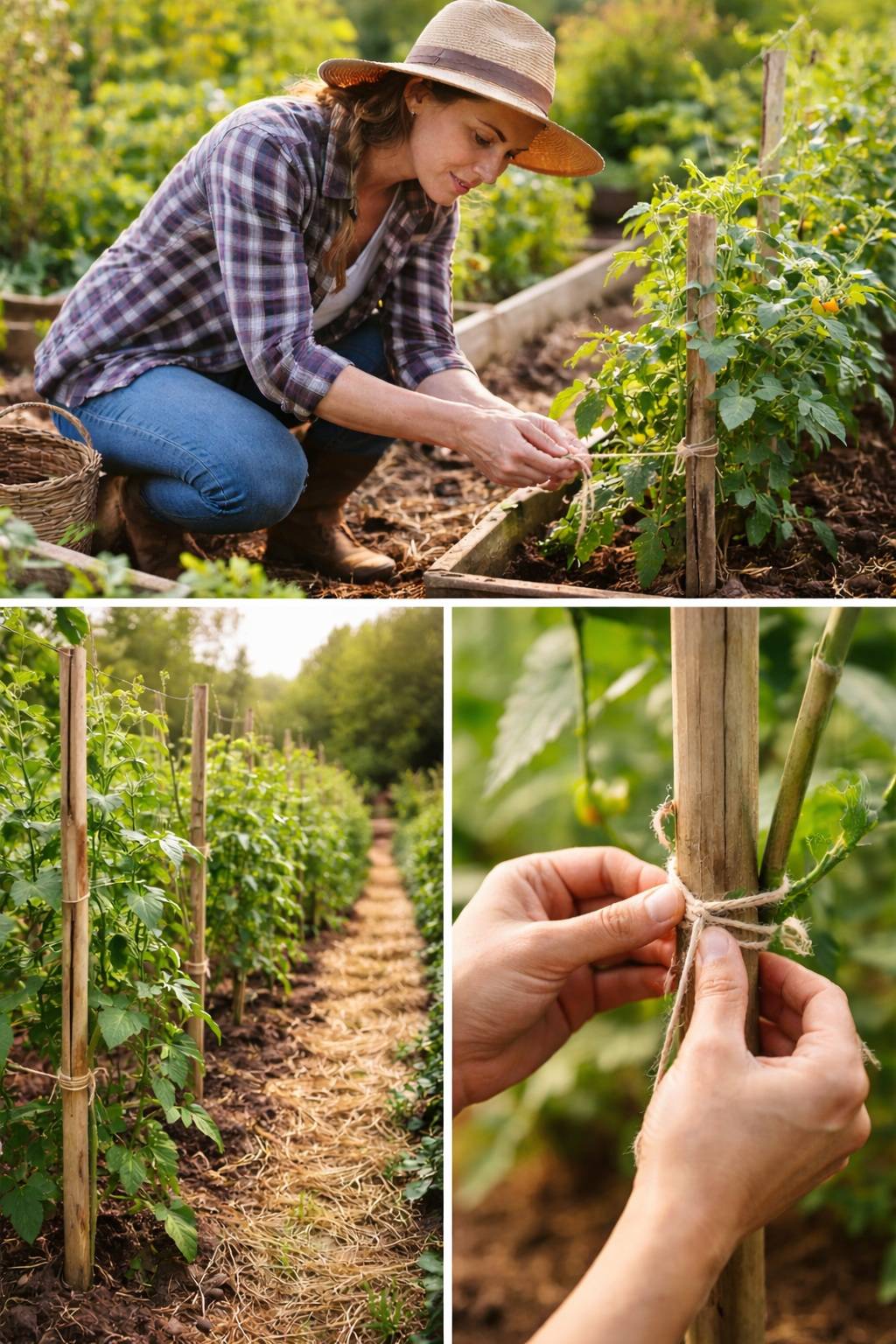
Moisture, Wicking and Wet Conditions
Outdoor environments vary widely. Areas with frequent irrigation, heavy rainfall or coastal exposure place different demands on plant support materials.
In wetter conditions, people often look for:- Fibers that retain strength when damp
- Materials suited for extended outdoor exposure
- Options appropriate for long rows or recurring contact with moisture
Some natural fibers absorb moisture more readily than others, which can influence how they feel and perform during use. Awareness of this behavior helps avoid unexpected changes later in the season.
Handling Over Time
One of the most noticeable differences with natural fibers appears after weeks of use. Ties that remain comfortable to handle encourage timely adjustments and cleaner removal during seasonal cleanup.
Matching the Material to the Gardening Job
Different garden tasks place different demands on tying materials. Weight, exposure, frequency of adjustment and scale all influence which type of twine or cord performs best over time.
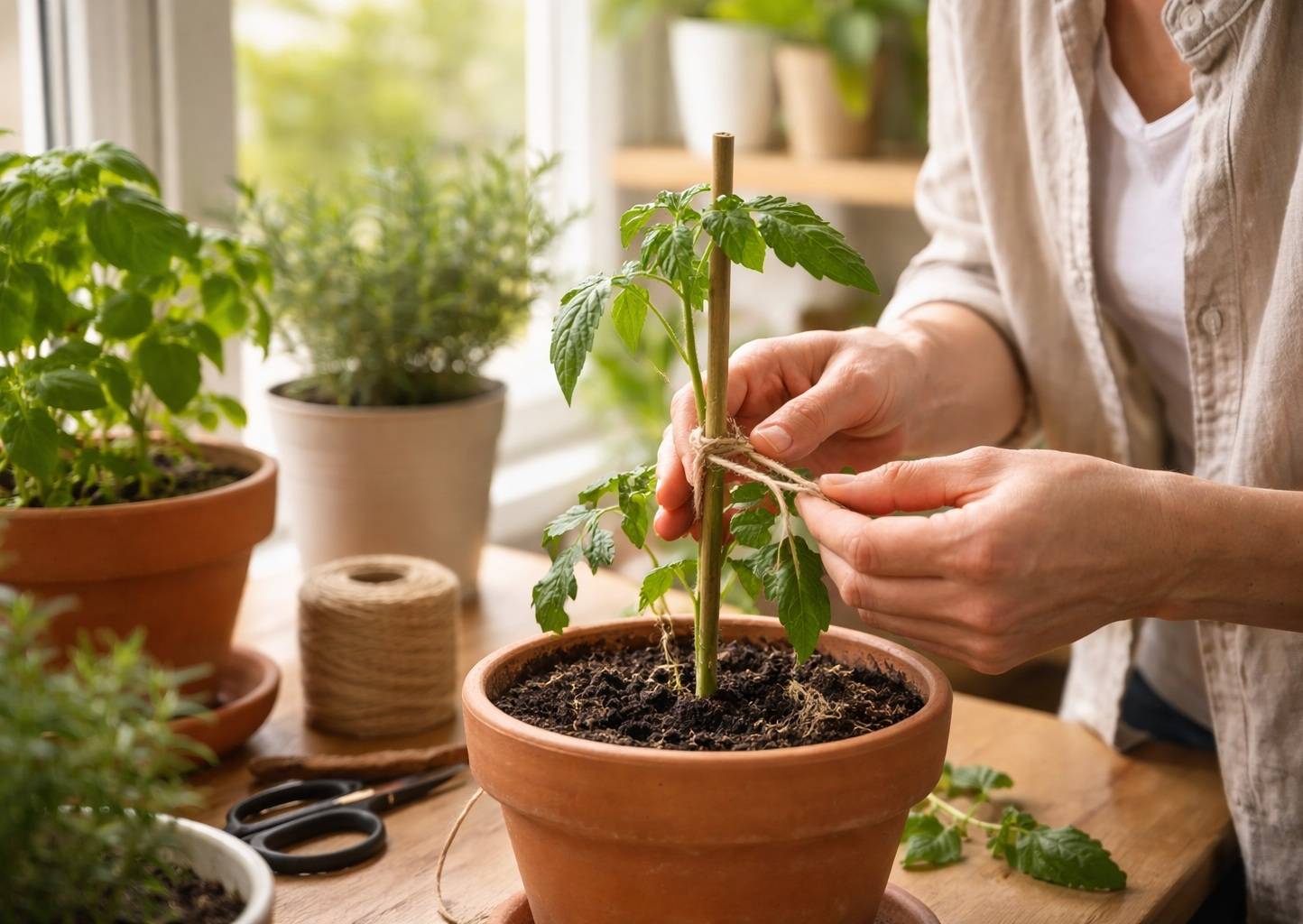
Home Gardens and Mixed Beds
Smaller gardens involve frequent changes as plants grow and shift.
Common needs include:
Common needs include:
- Regular tying and retying
- Comfortable handling during adjustments
- Consistent performance across vegetables and ornamentals
Flexible natural fiber cords support these conditions well.
Professional Rows, Orchards and Larger Plantings
Larger plantings prioritize efficiency and uniformity.
Typical requirements include:
Typical requirements include:
- Higher tensile strength
- Longer lengths for uninterrupted work
- Materials suited for repetitive tasks
Sturdier twines designed for agricultural or professional use help maintain consistency across larger areas.
Wet Areas and Long Outdoor Exposure
Some environments place additional stress on materials.
Key considerations include:
Key considerations include:
- Performance when damp
- Reliability during extended exposure
- Suitability for long-term outdoor contact
Choosing materials intended for these conditions improves seasonal consistency.
Structural and Non-Stem Uses
Garden ties also support tasks beyond direct plant contact.
Common applications include:
Common applications include:
- Securing frames or trellises
- Supporting netting or temporary barriers
- Organizing tools or bundled materials
Heavier cords and ropes provide stability for these uses without relying on synthetic materials.
Plant Safety Comes From Technique, Not Tightness
Plant damage during tying often results from handling rather than material alone. Technique plays a significant role throughout the season.
Allowing Room for Growth
Stems expand steadily as plants develop.
Helpful practices include:- Leaving slight slack when tying
- Reviewing ties during rapid growth
- Adjusting gradually over time
Choosing Ties That Support Adjustment
Materials that can be loosened and retied encourage regular attention.
Useful characteristics include:
- Knots that can be undone without cutting
- Comfortable handling after weeks outdoors
- Consistent tension during reties
Timing During the Season
Growth patterns shift as plants mature.
Growth patterns shift as plants mature.
Moments that often call for review include:
- After strong wind or rain
- During flowering or fruiting
- When stems begin leaning
Removal and Cleanup
Ties that can be removed cleanly reduce the risk of cutting stems during cleanup and help maintain orderly beds.
Ties that can be removed cleanly reduce the risk of cutting stems during cleanup and help maintain orderly beds.
End-of-Season Reality - Reuse, Removal and Soil Impact
Cleanup at the end of the season influences soil condition and preparation for the next cycle.
What Typically Gets Reused
- Longer cords used for structure
- Ties adjusted regularly
- Materials kept away from constant soil contact
What Usually Gets Removed
- Short or heavily soiled pieces
- Frayed or weakened ties
- Knots tightened too firmly to undo
Soil Contact and Long-Term Impact
Materials left behind during cleanup can interfere with soil preparation. Plant-based fibers reduce the amount of persistent residue left in beds, supporting cleaner soil management over time.
Why Fiber Sourcing and Consistency Matter
Choosing plant-based materials is only part of the equation. Consistency in fiber sourcing and finishing affects how ties perform in daily use.
Hemptique has worked continuously with natural fibers since 1997, focusing on hemp, linen, cotton and other plant-based materials used in everyday applications. This long-term specialization supports consistent thickness, predictable handling and reliable performance across seasons.
Frequently Asked Questions
What are eco friendly alternatives to plastic garden ties?
Is hemp twine suitable for gardening?
Hemp twine combines strength with flexibility and performs well during repeated tying and retying throughout the growing season.
Is linen twine good for outdoor use?
Linen twine supports clean knots and controlled adjustments, making it suitable for outdoor plant support when ties are reviewed regularly.
What can be used instead of plastic zip ties in the garden?
Natural fiber cords and twines allow adjustments without cutting and simplify seasonal removal.
Do natural garden ties last an entire growing season?
When matched to appropriate tasks and conditions, natural ties typically last through a full growing season.
Are plant-based garden ties safe for stems?
Safe use depends on technique. Leaving room for growth and adjusting ties regularly helps prevent constriction.
Can garden twine be reused?
Some ties can be reused if they remain clean and intact, especially longer lengths used for structure.
Why does material choice matter in sustainable gardening?
Material choice affects daily maintenance, cleanup effort, and the amount of residue left in soil over time.