Twine can be used in some light-duty situations, though it introduces more thickness and stiffness than thread. Where flexibility and minimal bulk are important, thread usually performs better.


When to Use Thread, Twine or Cord
Material differences across craft, packaging, gardening and everyday use
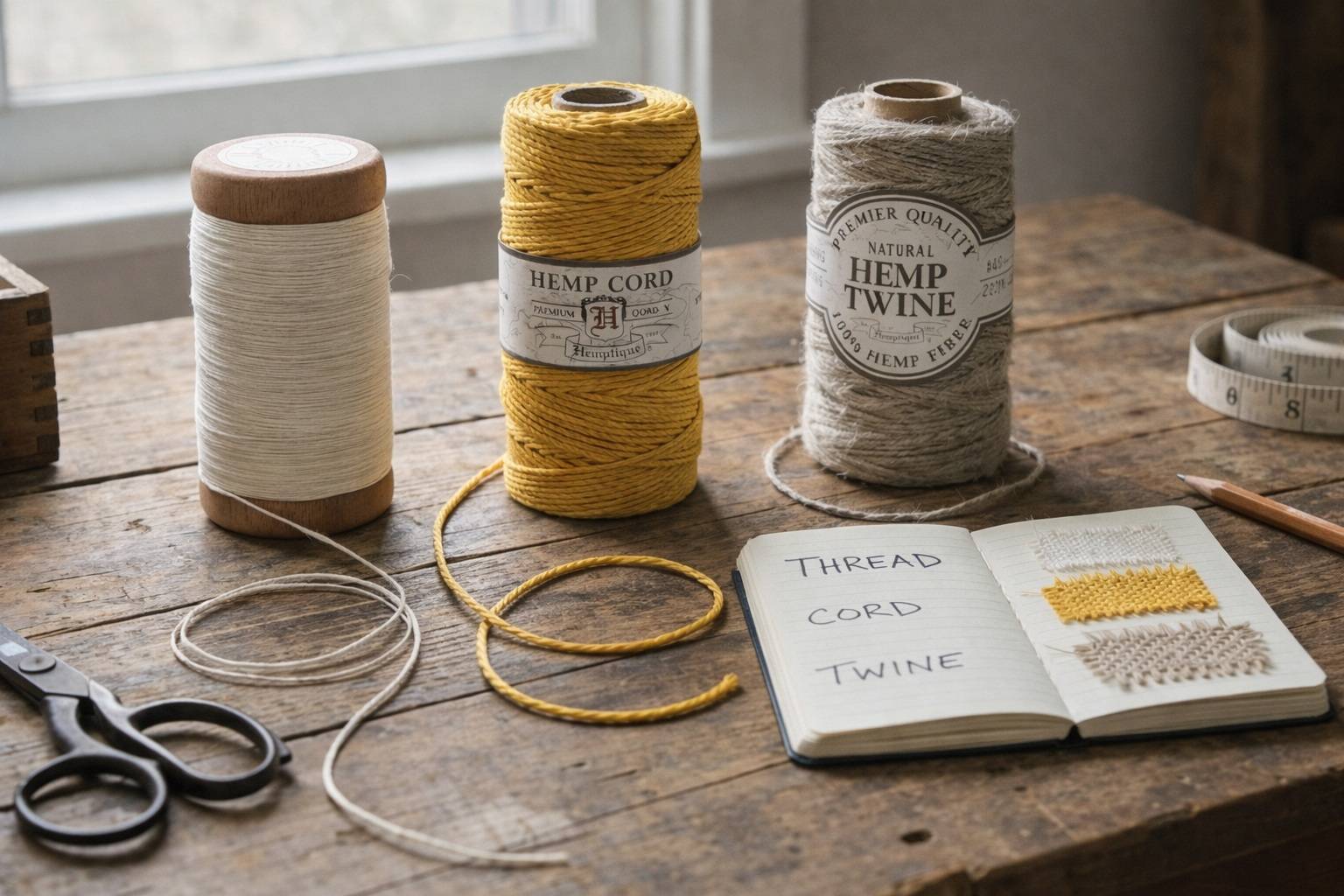
Thread, twine and cord are often chosen out of habit. Many people reach for what they already have on hand or what they have used before, without considering how different these materials behave once tension, movement and repeated handling are involved.
The consequences of that choice usually appear later. Thread may snap when it is asked to carry weight. Twine may stretch or loosen over time. Cord may add bulk or stiffness where flexibility is needed. These issues are rarely caused by poor technique; they come from using a material category that does not match the job.
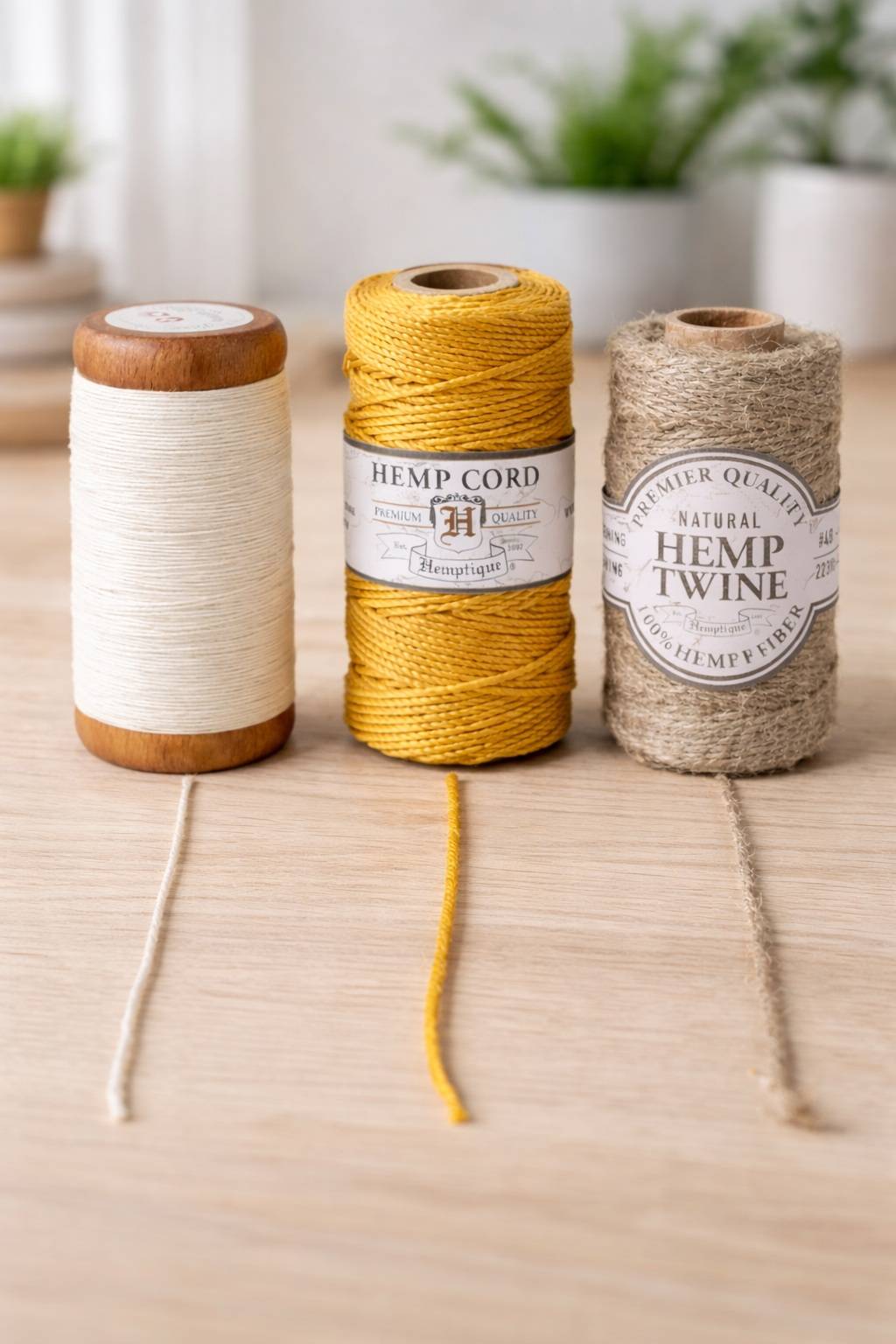
What separates thread, twine and cord is not just appearance or naming. The real difference lies in thickness, structure and how force is distributed along the material. These factors determine how something holds, how it moves, and how it changes with use.
Thickness and Structure as the Real Dividing Line
The most reliable way to decide between thread, twine and cord is to look at thickness and structure before considering fiber type. These two factors determine how force is carried, how flexible the material feels in use, and how it responds to repeated tension.
Thickness controls how pressure is distributed. Thin materials concentrate force into a smaller area, which works well for light-duty tasks but increases the chance of failure when load or movement increases. Thicker materials spread force over a wider surface, supporting heavier or repeated use while reducing stress on any single point.
- how much load a material can handle
- how flexible or rigid it feels when tied
- how it behaves under repeated tightening and loosening
Structure adds another layer to this decision. Materials with a tighter, more compact structure tend to hold their shape and resist deformation once tied. Looser structures allow more movement and adjustment, though they may change length slightly as tension is applied over time.
These characteristics work together. A thin but tightly structured material behaves very differently from a thicker, loosely structured one. This explains why two materials that appear similar at first glance can perform very differently in real use.
When Thread Makes Sense
Thread is best suited for situations where precision, flexibility and minimal bulk are required. Its small diameter allows it to pass through tight spaces and move easily with the materials it supports.
Thread works well when:
- load is light and evenly distributed
- movement is frequent or continuous
- added bulk would interfere with alignment or function
Because thread concentrates force into a small area, it performs best in applications where tension remains controlled. It supports holding, stitching or binding without adding visual or physical weight.
Thread is commonly used in contexts such as:
- bindings that sit close to folds or spines
- paper-based or lightweight materials
- situations where clean alignment matters more than strength
Using thread in these roles helps maintain flexibility and reduces resistance during movement. When applied appropriately, it supports structure without becoming a dominant physical element.
When Twine Is the Better Choice
Twine sits between thread and cord in both thickness and structure. It offers more strength and grip than thread while remaining more flexible and manageable than cord. This balance makes twine a practical option for a wide range of everyday uses.
- load is moderate and spread across the material
- tying and untying happens frequently
- flexibility is still important, but thread feels insufficient
Because twine has more diameter than thread, it distributes pressure more evenly and tolerates repeated handling better. At the same time, it remains supple enough to bend, wrap and adjust without introducing stiffness.
- packaging and bundling
- plant tying and garden support
- tags, closures and adjustable ties
- tasks that require grip without rigidity
Structure plays an important role here. Twine with a balanced twist holds knots securely while still allowing adjustment. Materials that are too loose may stretch over time, while overly compact twine can behave more like cord and lose flexibility.
When Cord Becomes Necessary
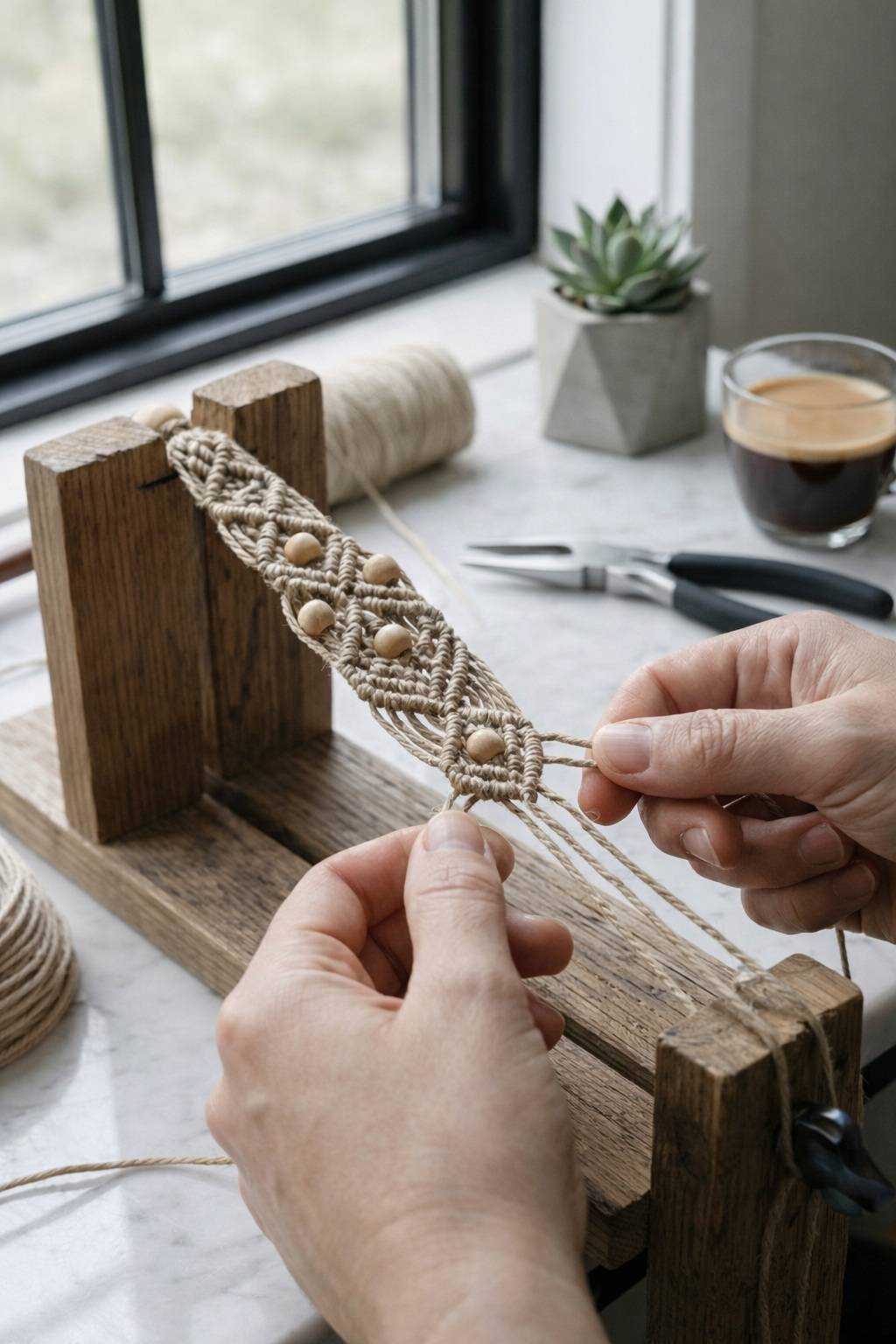
Cord is used when strength, stability, and physical presence are required. Its greater thickness and structure allow it to handle higher loads and resist wear during repeated or prolonged use. In these situations, thread and twine reach their limits.
Cord makes sense when:
Cord makes sense when:
- load is heavier or uneven
- the material must hold its shape under tension
- durability matters more than flexibility
Because cord spreads force across a wider surface, it reduces stress at individual points and maintains performance where thinner materials would fail. This becomes especially important in applications where tension remains constant or increases over time.
- structural ties and load-bearing elements
- plant support and outdoor use
- handles, loops and hanging applications
- situations with repeated pulling or weight
The tradeoff is rigidity. Cord introduces bulk and resists bending more than twine or thread. In areas that require frequent movement or tight spacing, this can lead to stiffness or reduced adjustability. For this reason, cord performs best when used deliberately and placed where movement is limited.
Common Problems Caused by Choosing the Wrong Category
Many issues associated with thread, twine and cord are not caused by poor technique. They arise when a material category is asked to perform outside its functional range. These problems often appear gradually, which makes the original choice easy to overlook.
Breakage under load
Thread is designed for light-duty use. When it is used where weight, tension or repeated pulling are involved, failure can occur suddenly. This is common when thread is used for tasks that require holding or supporting materials over time.
Stretching and loss of tension
Twine can stretch when used under constant or repeated tension, especially in applications where load is uneven or moisture is present. Over time, this leads to slack, uneven ties or the need for frequent readjustment.
Bulk and stiffness
Cord provides strength, though its thickness can introduce stiffness when flexibility is needed. Using cord in confined spaces or areas that need to move freely can result in awkward handling, limited movement or misalignment.
Difficulty adjusting or retying
Materials that are too rigid or too fine can make adjustment difficult. Cord may resist loosening once tensioned, while thread may lack enough grip to retie securely after adjustment.
Reduced lifespan of the project
When material behavior does not match the task, wear increases. This can affect knots, attachment points, and the materials being secured. Matching the category to the use helps extend the functional life of the project.
How the Use Environment Changes the Decision
Thread, twine and cord do not perform in isolation. Their behavior is influenced by where and how they are used. Conditions such as moisture, movement and duration can change how a material holds, stretches or wears over time.
Repeated handling and movement
In situations where tying and untying happen often, flexibility and adjustability become critical. Materials that are too rigid can resist repositioning, while materials that are too fine may wear quickly.
- bend easily without kinking
- hold knots securely without locking in place
- tolerate repeated tension changes
Twine often performs well here, though thread or cord may be appropriate depending on load.
Duration of use
Temporary applications place different demands on materials than long-term ones. Short-term use may allow for lighter materials, while extended use benefits from stability and resistance to wear.
Exposure to moisture and outdoor conditions
Moisture affects natural fibers differently than dry indoor environments. Some materials absorb water and change feel or tension slightly as they dry.
- materials that maintain knot grip when wet
- sufficient thickness to handle variable tension
- durability over extended exposure
In these cases, category choice becomes more important than appearance.
Indoor vs high-contact environments
Materials used in high-contact areas experience more friction and stress. Repeated contact with hands, tools or surrounding surfaces accelerates wear.
In these environments, selecting a category that balances durability with comfort improves performance and handling over time.
Choose Materials That Behave Consistently
Once the differences between thread, twine and cord are clear, consistency becomes the next consideration. Variations in thickness, twist or surface texture can affect knot behavior, handling and performance over time, especially when materials are used repeatedly or across multiple projects.
Hemptique has worked with natural fibers since 1997, supplying thread, twine and cord made from hemp, linen, cotton and other plant-based materials. This long-term focus supports consistent sizing and predictable handling across product ranges.
For applications that rely on reliable performance, having access to all three categories from the same source makes material selection easier.
FAQ
Can twine replace thread in lighter applications?
Is cord ever appropriate for small or detailed work?
Cord can work in small-scale applications when structure or visual presence is required. In areas that need frequent movement or tight spacing, it often becomes too rigid.
Why does twine sometimes loosen over time?
Twine can stretch slightly under repeated or uneven tension, especially in longer-term use. Choosing the appropriate thickness and structure helps reduce this effect.
Does fiber type matter more than category?
Category usually matters first. Thickness and structure determine behavior before fiber choice becomes a deciding factor. Fiber type then fine-tunes feel, grip and appearance.
Can different categories be combined in one project?
Yes. Many applications benefit from using thread, twine and cord in different roles. Assigning each material based on function helps balance strength, flexibility and usability.